Powering Scotland’s Energy Sector Through Product Stewardship
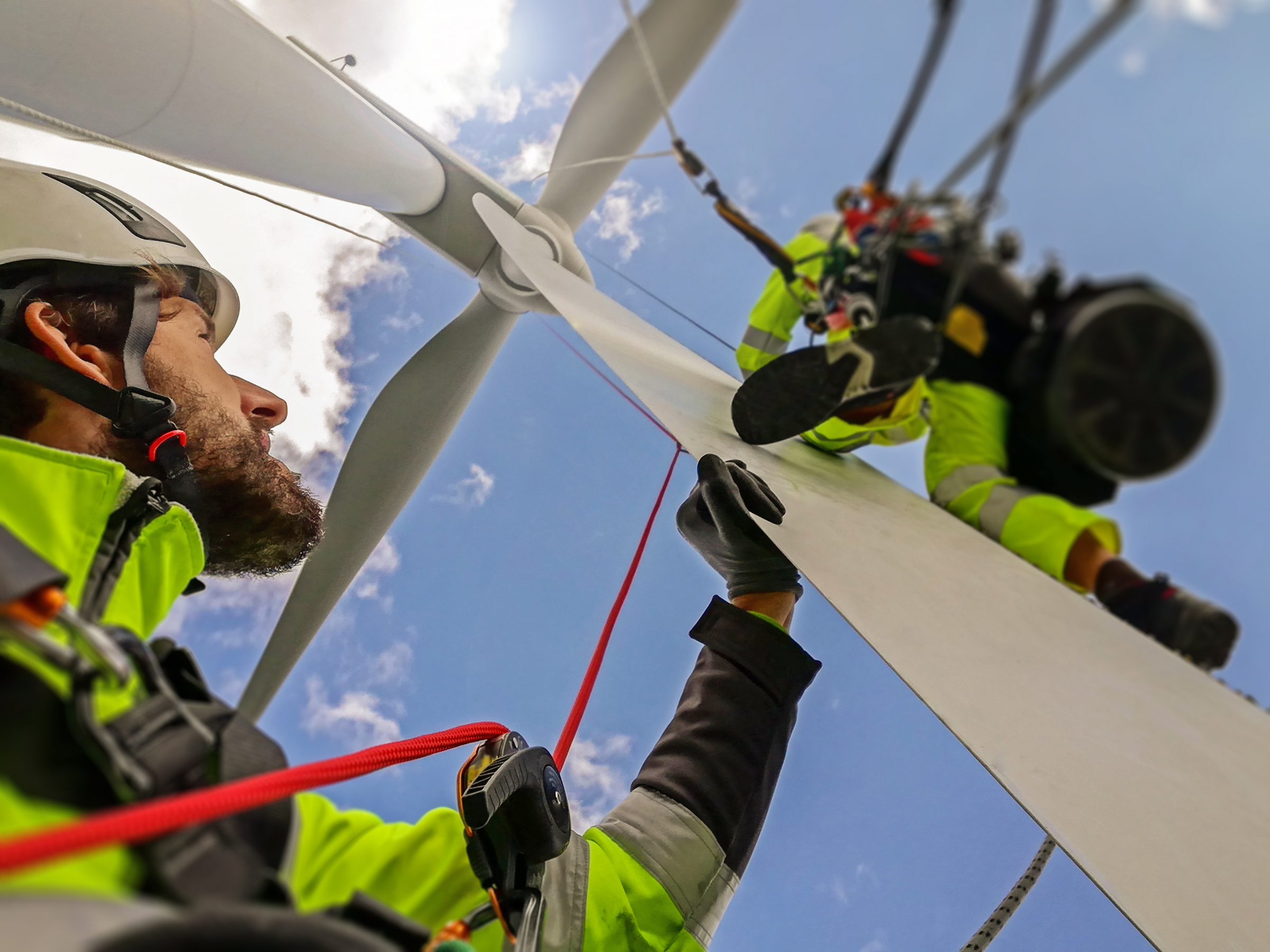
Scotland’s success in scaling renewable energy has been instrumental in diversifying our energy supply. As we look to the future, it also presents an opportunity for Scotland to lead in circularity by developing innovative decommissioning systems that are not yet widely in place.
This opportunity for product stewardship on a national scale is what Zero Waste Scotland have been exploring in our recent research due to be published later this year.
From decommissioning to opportunity
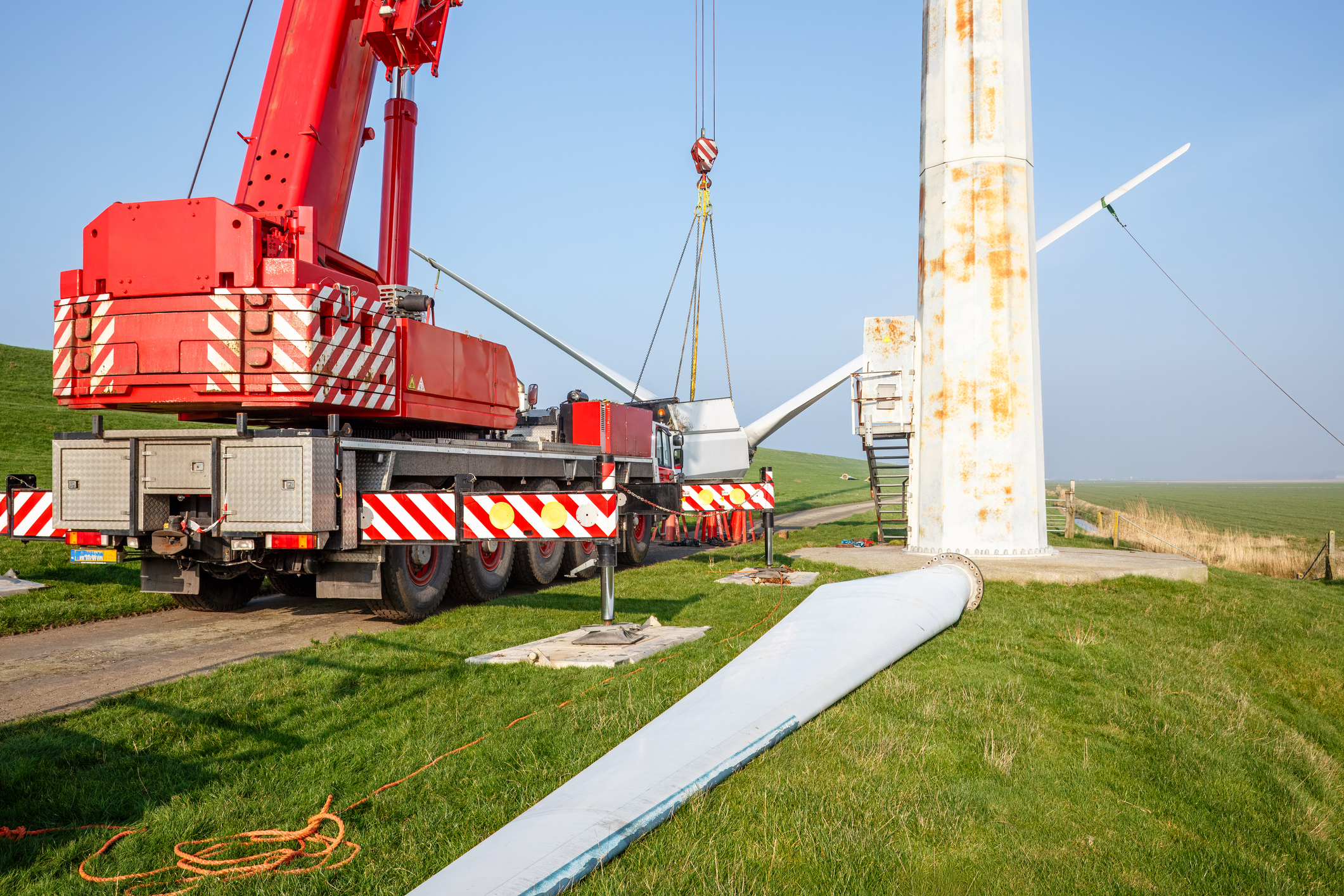
The life expectancy of renewable infrastructure ranges from 20-30 years, meaning large volumes of the that infrastructure is expected to reach its end-of-life between 2030 and 2050. This brings with it the prospect of utilising a second-hand market, where refurbished units can be given an additional 8-10 years either within Scotland or sold to regions where renewable energy adoption is still emerging.
Analysis suggests that a UK supply chain capable of refurbishing just ten types of wind turbine parts could access a European-wide market worth almost £10 billion to the UK’s GDP between 2025 and 2035, generating over 20,000 full-time equivalent jobs and preventing more than 800,000 tonnes of parts from being scrapped (Source).
Those turbines and solar panels that reach their end-of-life decommissioning will also bring a wave of critical and desirable materials, such as steel, aluminium, and glass. It also provides materials such as fiberglass, silicon, chemicals and plastics, which are far more technically challenging to reuse or recycle. Currently, this difficulty and their waste classification make disposal the more convenient or cost effective route.
Unlocking the Economic Value of Renewable Materials
With global virgin materials becoming ever scarcer, Scotland has a critical window to standardise emerging recycling processes, innovate with product design and explore new legislative options. Doing so will not only ensure Scotland’s access to a resilient supply of the materials essential for our way of life but also turn decommissioning efforts from a business/public purse cost to economic benefit.
The modelling indicates that the in-year value of recoverable materials for solar panels alone will increase from approximately £180,000 in 2026 to £1,947,000 in 2036 to peaking at £23,544,000 per year by 2057 (Source).
Latest research
Our latest reports below explore how Scotland can maximise the value of renewable energy infrastructure through product stewardship, circular design and improved recovery of materials at end of life.
Mapping Wind Turbine Infrastructure: A Product Stewardship Approach
Explores how Scotland can recover more value from wind turbines through reuse, repair, remanufacturing and recycling while preparing for increasing levels of decommissioning.


Related Content

- Report
- Evidence & Insights



- Report
- Evidence & Insights