Policy & Regulation
In Scotland, a number of regulations exist which are designed to help individuals, businesses and organisations to capture the value of materials.
Zero Waste Scotland has identified the key policies and regulations you need to be aware of in Scotland. While these regulations cover a wide range of environmental responsibilities, many play an important role in supporting businesses to move towards more circular ways of working.
In summary
A range of policies and regulations are helping Scotland transition to a more circular economy. This page outlines the key requirements, legislation and guidance that businesses should be aware of.
What this means for you
Understanding current and emerging regulations can help your business remain compliant, prepare for future requirements and identify opportunities to improve resource efficiency.
What to do next
- Review the regulations and policies relevant to your business.
- Assess how current and future requirements may affect your operations.
- Take steps to improve resource management and prepare for regulatory change.
Waste (Scotland) Regulations 2012
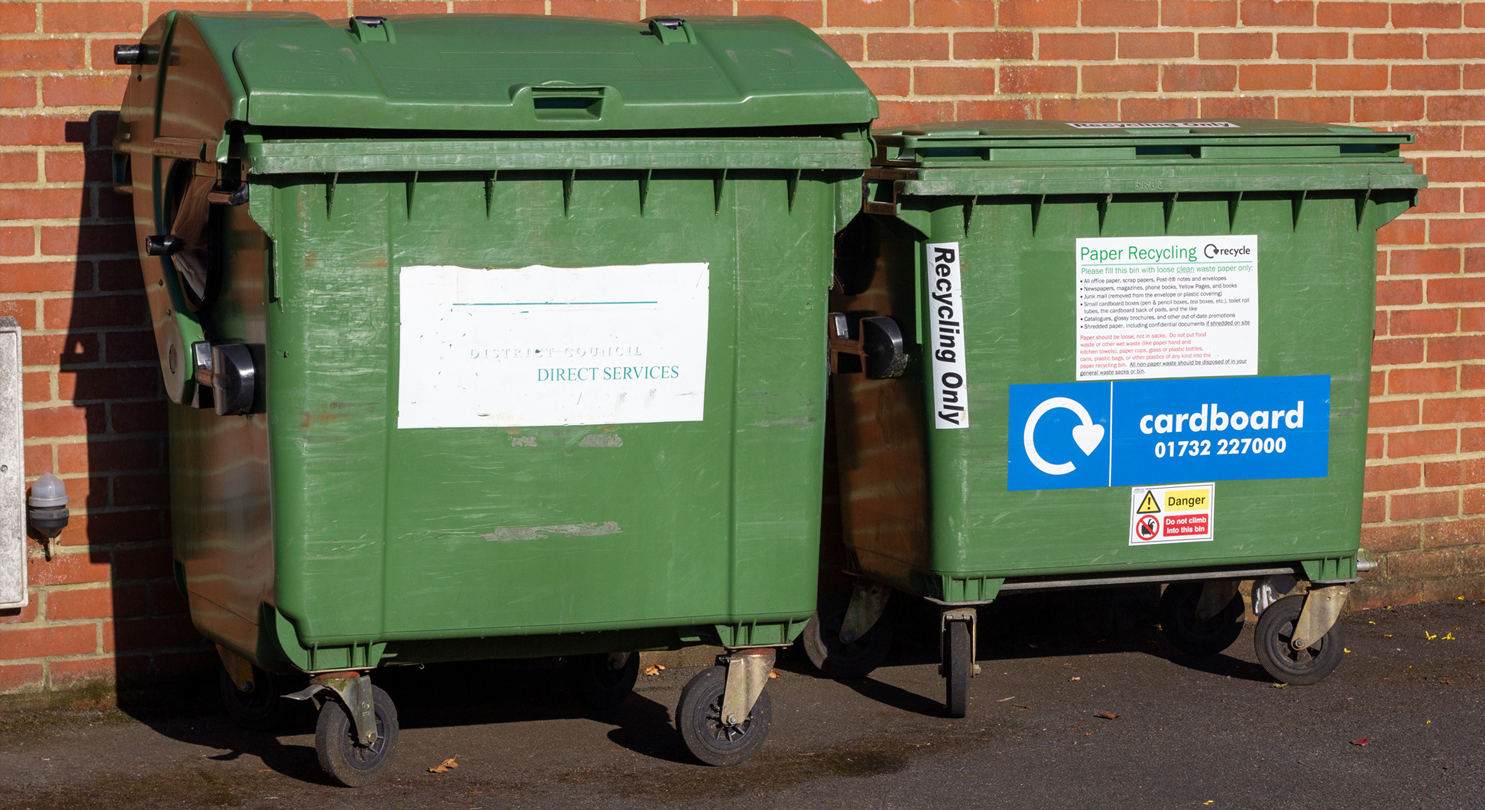
The regulations require all businesses and organisations to separate key materials – plastic, glass, metals, paper and card – for recycling, while most food businesses are also required to separate food waste for collection.
What this means for your business:
You must ensure you have suitable internal bins and a recycling collection service in place so that materials are correctly sorted before leaving your site. This requirement applies to organisations of every size, including offices, retail premises, hospitality businesses, and public‑sector bodies.
Circular Economy (Scotland) Act 2024
This landmark legislation sets the foundation for Scotland’s transition to a circular economy. Key provisions include:
- A national circular economy strategy every five years.
- Powers to set circular economy targets.
- Powers to introduce restrictions on the disposal of unsold consumer goods.
- Powers to introduce charges on single-use items.
- Powers to introduce mandatory public reporting by businesses on waste and surplus.
- Expanded enforcement powers for local authorities (e.g., fly-tipping, littering).
What this means for your business:
You may need to prepare for new reporting requirements, review how you handle surplus stock, reduce your use of single‑use items, and ensure your waste management practices align with stricter standards.

Scotland's Circular Economy & Waste Route Map to 2030
This strategic document outlines 11 priority actions grouped under four aims:
- Reduce and Reuse: Product stewardship plans, food waste reporting, construction material reuse hubs.
- Strengthen the Circular Economy: New circular economy targets by 2027.
- Modernise Recycling: Co-design household recycling services, review of commercial recycling requirements and co-design commercial waste provision.
- Decarbonise Disposal: Develop a Residual Waste Plan and the development of a sector-led plan to minimise the carbon impacts of the Energy from Waste Sector.
What this means for your business:
You may need to strengthen how you track and manage reuse and food waste, prepare for new circular economy targets that could affect how you use and recover resources, adapt to updated recycling requirements as systems become more consistent and potentially stricter, and reduce general waste as disposal becomes more tightly regulated and increasingly focused on cutting carbon emissions.

Single-use Plastic Products (Scotland) Regulations 2021
Scotland has set a new precedent by being the first nation within the UK to ban numerous types of problematic single-use plastics. The regulations mean that market restrictions (effectively a ban) are imposed on problematic single-use plastic items which are most found as marine litter in Europe.
What this means for your business:
You will need to phase out the banned single‑use plastic items and switch to reusable or compliant alternatives. This may involve reviewing your packaging and product ranges to ensure they meet regulatory requirements and updating any customer‑facing materials—such as menus, takeaway packaging, and service items, to remove restricted plastics.


What businesses should do
If your business is based in Scotland, now is the ideal time to take practical steps to harness the benefits of a circular economy by:
- Auditing your waste and surplus to understand where materials can be reduced, reused or kept in circulation.
- Engaging with reuse and recycling networks to find new routes for unwanted materials and reduce disposal costs.
- Preparing for mandatory reporting so you're ready for future compliance requirements.
- Staying informed on upcoming regulations that could affect how you manage resources and waste.
- Collaborating with local authorities and waste management contractors to explore circular solutions and improve material recovery.
UK & EU Influences
There are several influences across the UK and EU that are driving change and creating new opportunities for businesses to adopt circular economy practices.
Support and guidance for businesses
These organisations offer practical advice, regulatory guidance and sector support to help businesses reduce waste, improve compliance and take steps towards more circular ways of working.
Scottish Environment Protection Agency (SEPA)
Scottish Environment Protection Agency (SEPA) is Scotland’s principal environmental regulator. Businesses must adhere to SEPA’s guidance on waste management and reporting.
Scotland's Improvement Districts (SIDs)
Scotland's Improvement Districts (SIDs) provides national strategic guidance, training and practical support to drive inclusive local economic growth.
Our Route Map to a Circular Future
Sets out an ambitious plan to deliver actions that the government, in collaboration with others, must take to accelerate progress towards a circular economy between now and 2030.