Textiles
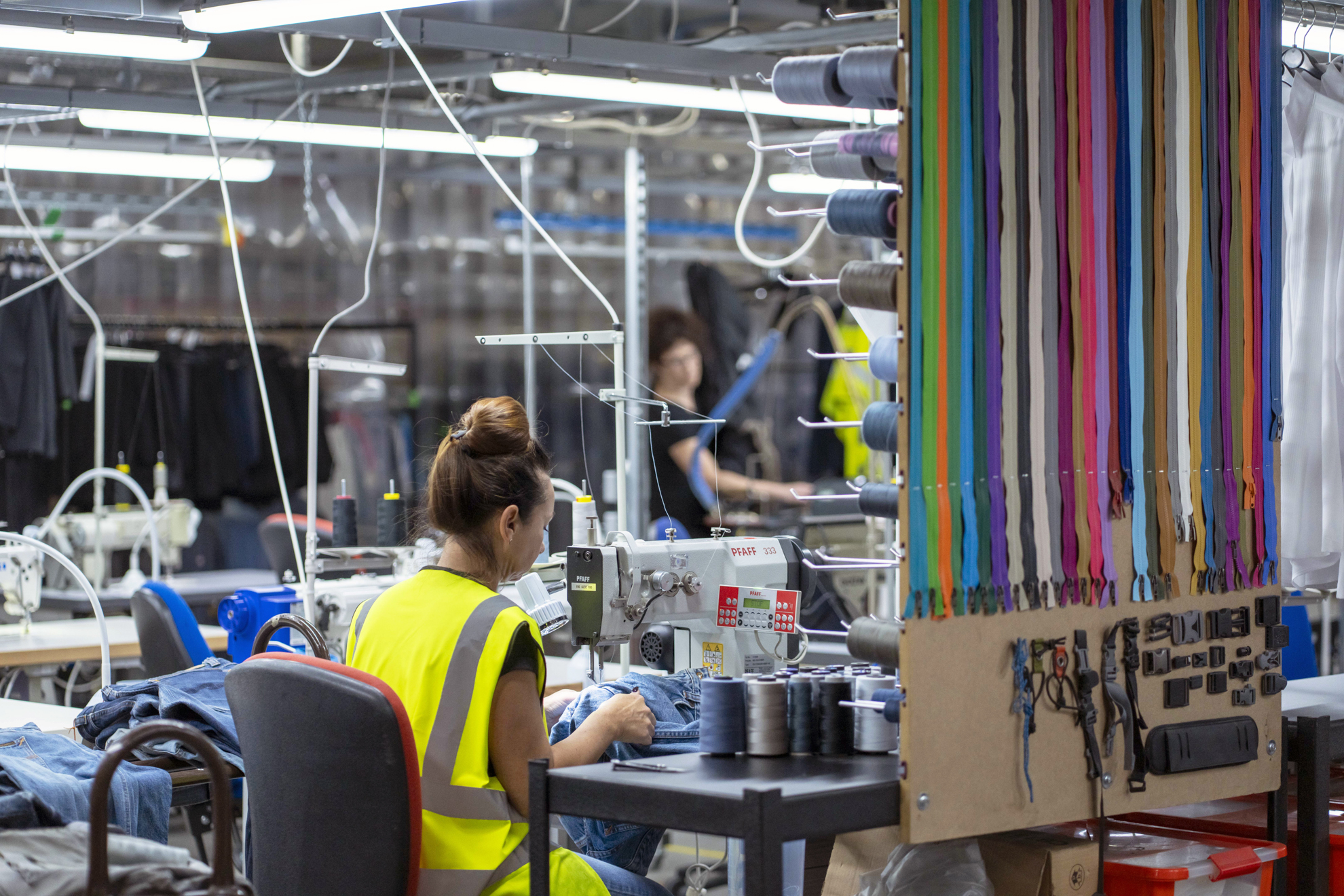
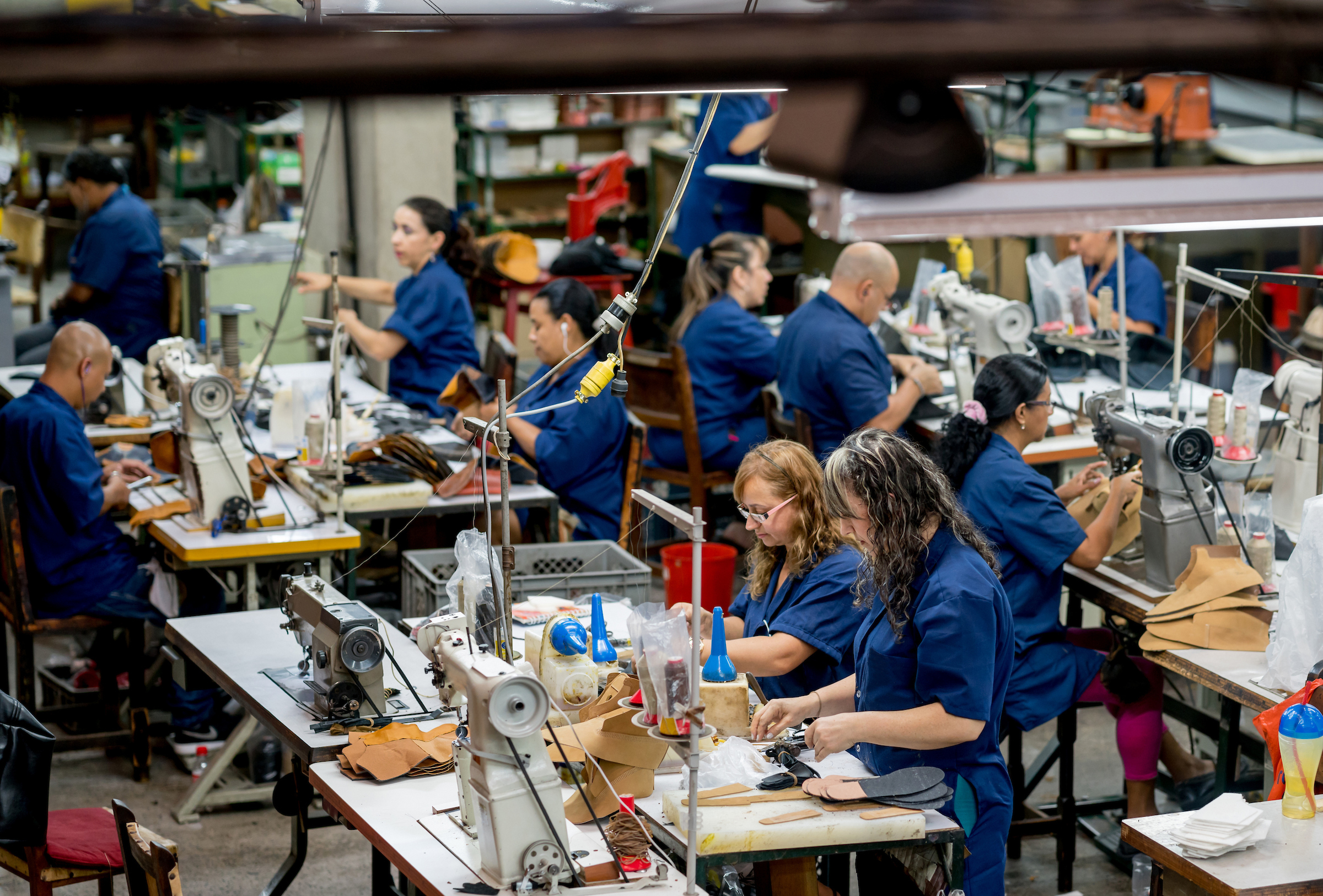
Textiles have played a strong role in Scotland’s cultural and industrial history. Today the sector designs and manufactures for global markets in fashion, furnishings and many other products.
In summary
Circular economy principles can help textile businesses reduce waste, extend product life and create new commercial opportunities. This page highlights how circular design, reuse, repair, recycling and innovation can support a more sustainable and competitive textiles sector.
What this means for you
Adopting circular textile practices can help your business reduce costs, improve resource efficiency, strengthen supply chains and prepare for future regulatory requirements.
What to do next
- Explore opportunities for circular design, reuse, repair and recycling.
- Identify ways to improve resource efficiency and reduce waste across your operations.
- Access guidance, research and tools to support innovation and circular business models.
Circular practices in textiles aren’t just good for the environment - they make strong business sense. By designing out waste from the start and adopting reuse, repair, rental and recycling models, businesses can open up new revenue opportunities, cut waste‑handling costs and reduce their exposure to global supply‑chain risks.
Scotland’s transition toward local production and fibre-to-fibre recycling offers opportunities to:

Create skilled jobs and revive regional manufacturing through more local production.

Cut costs and improve competitiveness by collaborating and achieving economies of scale.

Access public sector procurement contracts as buyers increasingly favour sustainable products and services enabled by fibre‑to‑fibre recycling.

Benefit from future legislation, such as Extended Producer Responsibility, which will reward businesses that adopt circular design.

Redesigning textiles
If you're involved in textiles in Scotland, especially in leadership or strategic roles, this is a prime time to:
- Adopt circular design and production to reduce waste, extend product life, and create new revenue through reuse, repair, and remanufacturing.
- Collaborate with government and industry to access funding, shape policy, and build infrastructure for circular innovation.
- Invest in skills and training to close Scotland’s repair and sustainable design skills gap and future-proof your workforce.
- Improve margins through remanufacturing and resource efficiency, reworking waste into new products and reducing energy and water use.
- Use digital tools like product passports and analytics for traceability, performance optimisation, and regulatory compliance.
- Champion collaboration over competition by forming alliances with other SMEs to share tech, coordinate logistics, and scale impact through collective action.
How to apply circular economy principles in textiles
Design for Longevity and Reuse: Make products last longer by improving durability and using modular, standard components that make repairs and upgrades easier. This reduces waste and helps lower costs.
Use Renewable and Recycled Materials: Choose recycled and locally sourced materials to reduce reliance on new raw materials, strengthen supply chains and meet growing demand for sustainable textiles.
Improve Resource Efficiency and Cut Waste: Use less energy, water and raw material through efficient, closed‑loop production processes. This reduces waste and lowers running costs.
Offer Product-as-a-Service Models: Provide leasing, rental or maintenance services to create recurring revenue and keep ownership of products, helping you manage their full lifecycle.
Set Up Reverse Logistics and Take-Back Schemes: Collect products after use so materials can be recovered, reused or resold. This offers customers a responsible end‑of‑life option and can build loyalty.
Use Digital Tools to Support Circularity: Use digital technologies such as Internet of Things (IoT) and Artificial Intelligence (AI) to to track product condition, manage stock more efficiently and reduce downtime. Digital product passports can also improve traceability and help meet regulations.
Latest Research
We conducted our largest piece of research on textiles and have now produced three complementary reports. Together, they provide a detailed view of textiles material flow across the Scottish value chain, stakeholder insights to required policy interventions and analysis of potential measures that take account of practicality, feasibility and impact.

Useful reports
Browse useful reports that highlight opportunities, challenges, and innovations in circular textiles.
Scotland’s Circular Economy and Waste Route Map to 2030
Published by the Scottish Government, the Scotland’s Circular Economy and Waste Route Map to 2030 outlines the Scottish Government’s strategic priorities, including textiles, and sets the direction for policy, investment, and industry collaboration.
State of the Circular Economy Report
Published by Zero Waste Scotland, the State of the Circular Economy Report quantifies the economic contribution of circular sectors, including textiles, and highlights opportunities for growth, innovation, and job creation.
Waste Reprocessing Infrastructure in Scotland
Published by the Scottish Government, the Waste Reprocessing Infrastructure in Scotland report outlines Scotland’s current and planned infrastructure for reprocessing 15 material streams, including textiles, and highlights gaps and opportunities for investment.
Draft Circular Economy Strategy
The draft circular economy strategy is a key milestone as set out by the Circular Economy Act (Scotland) passed in 2024. The strategy highlights the circular economy not just as an environmental activity, but a core economic strategy for sustainable growth, innovation and resilience. By prioritising sector specific roadmaps and key policy levers, it sets out the rationale and benefits of a circular economy within the wider economic framework transitioning Scotland to be more circular by 2045.
Tools and resources
Access practical guidance, toolkits, and support to help your business implement circular economy principles.
WRAP Circular Design Toolkit
A practical guide for embedding circular design principles into product development, with case studies and actionable strategies for businesses.
WRAP Textiles Sorting and Recycling Database
The Textiles Sorting and Recycling Database is an open-source database of textile recyclers and sorters across the UK and Europe.
Support from external organisations
Connect with organisations that provide expertise, training, and research in circular textiles.
Scottish Business Climate Collaboration
A coalition of major Scottish companies working together to help businesses, especially SMEs, take practical steps toward net-zero through free tools, training, and carbon reduction resources.
Textile Recycling Association
Textile Recycling Association (TRA) is the UK’s trade body for collectors, processors, and exporters of used textiles, promoting best practices and supporting the effective reuse and recycling of clothing and other textile materials.
UK Fashion & Textile Association (UKFT)
UK Fashion & Textile Association (UKFT) supports fashion and textile businesses across the UK with resources on sustainability, innovation, skills development, and
Circular Communities Scotland
Circular Communities Scotland represents 250+ reuse, repair, and recycling charities and social enterprises across Scotland.