Helping businesses in textiles become more circular

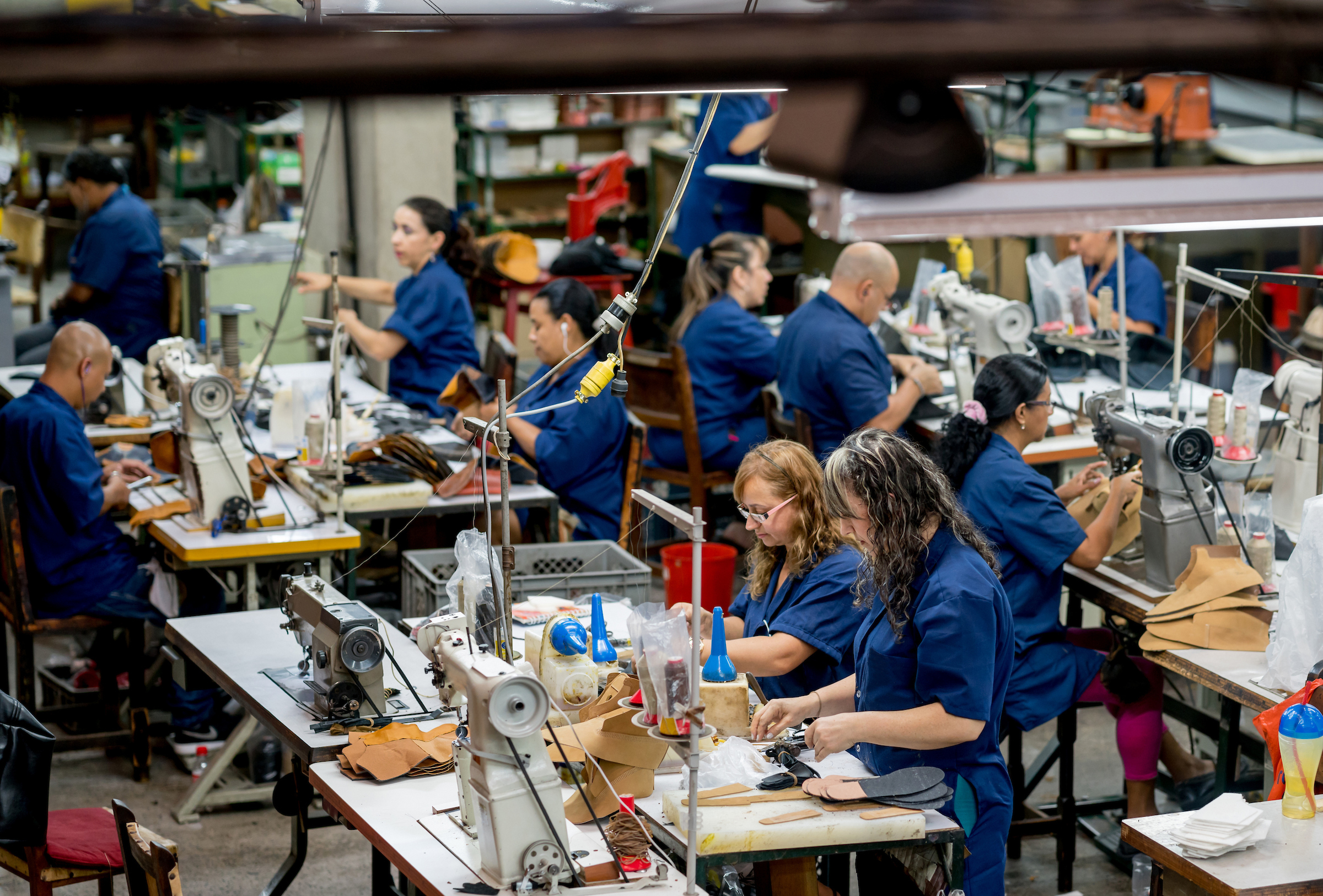
The textiles sector is far broader than many people imagine. It is not limited to clothing or home furnishings but includes technical applications such as the materials used in parasols, firefighter uniforms and even aircraft interiors, all of which have their own performance requirements. It also covers bulky household items like carpets and mattresses, which present their own end‑of‑life challenges.
Because of this diversity, designing for circularity looks different depending on the product, but the aim is the same: keeping materials in use for longer and reducing what goes to landfill. With increasing expectations around sustainability, businesses that begin making changes now will be better placed for the future.
Approaching circularity
A good starting point for businesses is focusing on durability, repair and recyclability. Products that last longer and can be easily repaired stay in circulation for longer. Prioritising single‑fibre materials wherever possible makes end‑of‑life processing much more straightforward. Mixed-fibres are extremely difficult to separate, so early design choices, like avoiding unnecessary blends, have a major impact on what’s possible later on.
Designing out textiles waste
End-of-life options for textiles aren’t as readily available as other materials, which can make things difficult. The challenge today is that Scotland does not yet have the infrastructure to process many textile types, which makes it even more important to prevent waste in the first place.
Even with these challenges, there are practical steps businesses can take now. Understanding where waste arises is a useful place to start. Many businesses already try to minimise waste, but an audit often reveals offcuts, unsold stock or repeat patterns of waste that could be reused, resold or diverted into new products. Sometimes the answer is in design rather than disposal.

Small changes, big impact
Small operational changes can have a meaningful impact. Better pattern cutting, for example, can reduce the amount of material lost during manufacturing. Some companies are also well placed to offer repair, alterations or take-back services, which not only keep products in use and strengthen customer loyalty but can also create opportunities for new revenue streams.
Scotland has also lost many traditional textile skills, including fine repair techniques such as invisible mending - rebuilding these will be important as repair and reuse become more mainstream. There is real potential to strengthen local supply chains by exploring sustainable Scottish fibres like wool and hemp. Community initiatives and cross‑sector collaboration can also help drive repair, reuse and wider behaviour change at scale.

Rethinking what circularity really means
One common belief is that circularity is simply about recycling when in fact recycling is often one of the hardest routes for textiles and should be the final destination. True circularity considers the whole lifecycle from design through to reuse, repair and recovery.
Secondhand and reuse markets are already becoming more mainstream, which makes designing products that can be easily resold or passed on increasingly important. Another misconception is that adopting circular methods is always costly, but small operational improvements, incremental design changes and reuse of material that would otherwise be discarded can deliver benefits without large costs. While the financial case varies across the sector, many businesses do see efficiencies and savings through waste reduction and better material use.
Strength in collaboration
The sector still faces barriers, particularly around infrastructure and clear routes for waste. Many businesses do not know what to do with their textile waste, even when they want to do the right thing.
Mixed-fibres are particularly difficult, and even large household items have limited options. Mattresses, for example, have few recycling outlets in Scotland, and carpets cannot currently be processed back into carpets here, despite the technology existing elsewhere. This is why collaboration and knowledge sharing are so valuable - especially for smaller businesses.
Support from Zero Waste Scotland
Zero Waste Scotland can help with this journey. We have data and evidence to support businesses looking to make strides in circularity. We can also provide resources to help influence decision-makers and meet procurement requirements for circularity, which could become essential for staying competitive.
Ready to take the next step? Explore our Business Information Hub for tools, data, and support to help your textiles business unlock the economic benefits of going circular.
