
Construction & the Built Environment
Scotland's construction and built environment sector is a vital part of the national economy, driving sustainable infrastructure, housing, and urban development through skilled labour, innovation, and collaboration across public and private sectors.
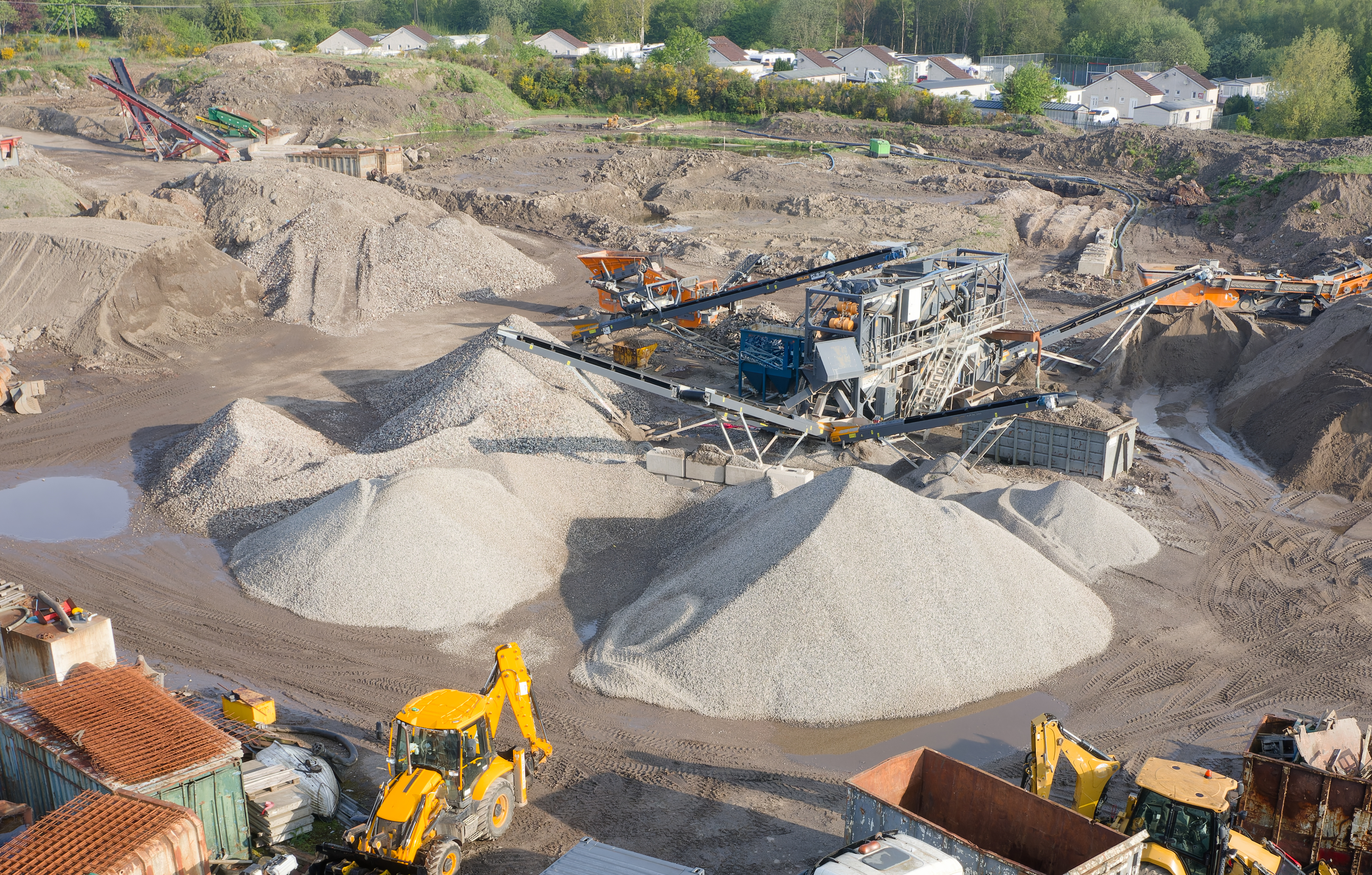
Construction is an extractive industry. By unlocking the potential of innovative design, reuse and recycling, we can reduce our reliance on raw materials and instead harness the value of materials that would otherwise end up in landfill or incineration.
In summary
Circular economy principles can help the construction and built environment sector reduce waste, cut carbon emissions and make better use of materials. This page highlights practical approaches, opportunities and support to help organisations design, build and manage assets more sustainably.
What this means for you
Adopting circular construction practices can help reduce costs, improve resource efficiency, strengthen supply chain resilience and lower the environmental impact of projects.
What to do next
- Explore opportunities to design out waste and increase material reuse.
- Consider whole-life value and carbon impacts when planning projects.
- Access tools, guidance and case studies to support circular construction practices.
We can do more with less
Zero Waste Scotland produces the Scottish Material Flow Accounts (MFA) to understand the size of Scotland’s material footprint. This tells us that most of our carbon emissions relate to the materials we consume.
By reusing materials and designing buildings for future reuse, we can cut costs and emissions.
Using surplus, mis-ordered, or reclaimed materials from demolitions not only saves money but also reduces reliance on volatile global supply chains - helping to avoid price spikes or delays.
Innovative design, reuse, and recycling will let us do more with fewer raw materials, tapping into resources that would otherwise go to landfill. This shift supports long-term economic resilience, boosts business competitiveness, and creates local jobs.

Rethinking material use in construction
One of the problems we face is that we are consuming more raw materials and the natural environment is struggling to meet our demand. We must therefore look to alternative materials and different ways of working.
We need to take responsibility for the emissions our demand for the built environment creates by understanding the whole life carbon impacts of the products we use. It’s clear now that fossil fuel emissions arise at every point in the supply chain, from the extraction, processing, transport and disposal of materials.
These emissions relating to the materials we use are unregulated and we currently only measure the emissions that arise from our electricity and heat use in buildings.
How to apply circular economy principles in construction
Work together across the supply chain to support circular practices.
Think about whole‑life value by looking at long‑term environmental, social and economic impacts, not just upfront costs.
Choose materials and designs that support good health inside buildings.
Design buildings to last and make them easy to adapt over time.
Cut carbon by reducing both operational and embodied emissions.
Use digital tools like building information modelling (BIM) to plan, build and eventually take buildings apart more efficiently.
Make materials easy to recover so they can be reclaimed and reused at the end of their life.
Design out waste by planning carefully and choosing the right materials from the start.
Use circular products and services that are made to be reused, repaired or remanufactured.
Manage materials well throughout every stage of the project.

Building a sustainable future
We need to show how a shift to a circular construction sector can boost Scotland’s economy, including new work in carbon accounting, planning and design, and expanded opportunities in refurbishment, remanufacturing, and product and service development.
If you're involved in construction and the built environment in Scotland, especially in leadership or strategic roles, this is a prime time to:
- Embed circular construction principles in your contracts.
- Commit to mapping your supply chain and understanding associated carbon emissions.
- Introduce quotas relating to the use of sustainable, recycled and reused materials.
Roadmap to Circularity
The Built Environment Roadmap to Circularity sets out a five-year action plan to accelerate circular economy adoption across Scotland's built environment sector. Developed with industry partners, it identifies key interventions, opportunities and priorities to help reduce waste, improve resource efficiency and support long-term sector resilience.


CirCoFin - Circular Construction Hubs in Scotland
We are exploring the potential for Circular Construction Hubs (CCH) in Scotland that can attract external investment and demonstrate reuse of construction materials at scale, supporting the transition to a circular economy. Through this Horizon Europe-funded CirCoFin project, we are working with partners in Munich, Copenhagen and Lisbon to develop CCH models. Findings from the feasibility phase of the report demonstrate the potential for CCHs in Scotland.
Useful reports
Browse useful reports that highlight opportunities, challenges, and innovations in circular construction.
Tools and resources
Access practical guidance, toolkits, and support to help your business implement circular economy principles.
Net Zero Public Sector Building Standard
Developed in partnership with Scottish Futures Trust and NHS National Services for Scotland, this voluntary agreement was designed to help support a wide range of building projects meet their net zero objectives.
Designing out Construction Waste
This easy-to-use guide was developed as a revision of the Scottish Ecological Design Association’s guide to designing for deconstruction and set out clear circular design principles
Procuring Resource Efficient Construction Projects
This interactive guide equips both clients and contractors with key wording to procure and deliver resource efficient construction projects. This can help reduce emissions and give users a competitive edge.
Supply Chain Sustainability School
Supply Chain Sustainability School is a virtual learning platform around sustainability, with the aim to upskill those working within, or aspiring to work within, the built environment sector.
Case studies
Explore a collection of case studies illustrating circular construction in action.
Support from external organisations
Connect with organisations that provide expertise, training, and research in circular construction.
BE-ST
BE-ST work with decision-makers, leaders, and changemakers across education, research, industry, SMEs, and the public and third sectors to unlock new value, inspire impactful change, and accelerate solutions for zero carbon construction.
Scottish Futures Trust
Scottish Futures Trust is a public body which provides independent expert advice to the Scottish Government and is Scotland’s infrastructure centre of expertise.
Construction Industry Research and Information Association (CIRIA)
Construction Industry Research and Information Association (CIRIA) is a neutral, independent and not-for-profit body that links organisations with common interests and facilitates a range of collaborative activities that help improve the industry.
Construction Industry Research and Information Association (CIRIA)
Helping businesses in the built environment become more circular
Circularity doesn’t have to be an all-or-nothing leap. It’s about taking practical steps that make sense for your business now. Nick Ribbons, Built Environment Partner at Zero Waste Scotland, shares his advice on how you can start your circularity journey without hitting your bottom line.