Energy Infrastructure
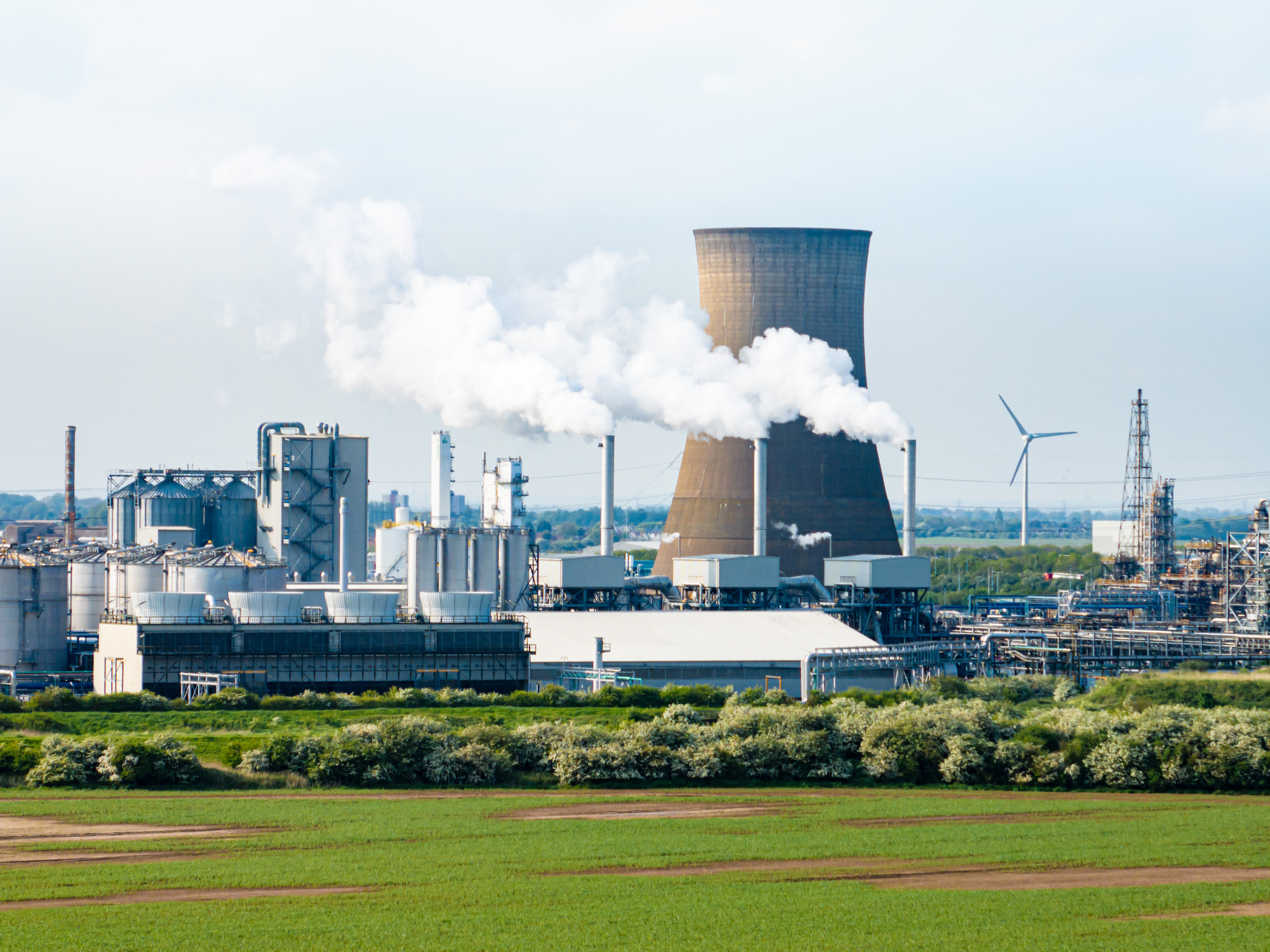
Scotland’s energy infrastructure sector covers the physical systems and assets that keep the energy system running. This includes facilities for generating energy, moving it around, and storing it, as well as related infrastructure like ports and harbours.
The economic, social and environmental benefits of adopting circular economy practices at all stages of energy technology development should be a fundamental focus in delivering our energy future.
In summary
Circular economy principles can help Scotland's energy infrastructure sector reduce waste, recover valuable materials and maximise the value of existing assets. This page highlights opportunities across wind energy, electricity networks, oil and gas decommissioning, and ports to improve resource efficiency and support a more resilient energy system.
What this means for you
Adopting circular practices can help reduce costs, strengthen supply chains, recover critical materials and create new economic opportunities as energy infrastructure is built, maintained and decommissioned.
What to do next
- Explore opportunities to refurbish, reuse and remanufacture energy infrastructure assets and components.
- Identify ways to recover valuable materials and reduce reliance on virgin resources.
- Access roadmaps, research and support to help embed circularity across energy projects and supply chains.

Wind (Onshore & Offshore)
Thousands of wind turbines across Scotland will reach the end of their operational life over the coming decades. This presents a significant challenge – but also a major opportunity to recover value rather than lose it.
A circular approach keeps materials and components in use for longer through refurbishment, reuse, and high-value recycling. In practice, this means extending turbine lifespans, recovering critical materials, and reducing the need for new resources.
Our The future of onshore wind decommissioning in Scotland report highlights that by 2050, more than 5,600 turbines could be decommissioned from the onshore wind industry alone, reclaiming up to 1 million tonnes of steel and other valuable materials. Adoption of circular approaches in wind could generate over £200 million in value, while refurbishing key components alone across the UK industry could deliver £1.6 billion in cost savings.
Acting early will determine whether this value is captured within Scotland or lost. Embedding circular practices now can reduce project costs, strengthen domestic supply chains, and support the long-term sustainability of the wind sector.
Oil and Gas Decommissioning
The North Sea is entering a period of transition, with oil and gas production declining and over a hundred assets approaching the end of their life. This shift is creating one of the UK’s largest industrial opportunities.
A circular approach to decommissioning focuses on recovering value – retaining materials, repurposing infrastructure, and supporting new uses for existing assets, rather than treating them as waste.
Between 2024 to 2033, 117 topsides are forecast to be removed from UK waters including the North Sea. This will involve the removal of over 914,000 tonnes of material without including surrounding substructures and supporting infrastructure. Overall, the forecasted spend on decommissioning amounts to £24.6 billion (Source).
Scotland is well positioned to lead in this space, with well-established supply chains, skilled workforce, and proximity to North Sea assets (Source). The opportunity now is to build on this foundation, turning decommissioning into a competitive, circular industry that retains value, supports jobs, and drives innovation.


Electricity Grid
Scotland’s electricity grid is expanding at pace to support electrification and net zero. With investment expected to reach up to £80 billion, the way infrastructure is designed, built, and maintained will have long-term cost and resource implications.
A circular approach focuses on doing more with what already exists – extending asset life, reusing materials, and reducing unnecessary waste. This helps manage increasing demand for materials while improving efficiency across the system.
The scale of delivery is significant, with up to 400,000 people needed by 2050 to meet decarbonisation goals. Without circular strategies, this rapid expansion risks placing pressure on supply chains, increasing costs, and creating avoidable waste.
By embedding circular thinking now, the grid can be built in a way that is not only low carbon, but also more resilient, cost-effective, and better equipped to meet future demand.
Ports Infrastructure
Ports are central to how circular energy systems operate in practice. They enable the movement, dismantling, processing, and reuse of materials across wind, grid, and oil and gas infrastructure.
They already play a critical role in Scotland’s economy – handling 71 million tonnes of cargo, supporting 31,500 jobs, and contributing £1.9 billion in Gross Value Added (GVA). As infrastructure transitions accelerate, their importance will only grow.
Investment in port infrastructure, ranging from £5.2 million to £350 million, is helping to build capacity for large-scale decommissioning and material recovery. Projects like Kishorn Port's decommissioning of the Northern Producer platform demonstrate how circular approaches can be embedded in real operations – recovering materials, reducing waste, and developing new industrial capabilities.
Scaling this approach across Scotland’s ports will be essential to capturing the full value of circular energy infrastructure – strengthening regional economies and positioning Scotland as a global hub for sustainable, resource-efficient energy systems.

Delivering Scotland’s energy future
Following the publication of the Scottish Government’s Circular Economy Strategy – which identified priority sectors including energy infrastructure, the built environment, textiles, the food system, and transport – Zero Waste Scotland is leading the development of Roadmaps for energy infrastructure, the built environment, textiles and the bioeconomy.
They take an innovative approach in the application of systems thinking to the circular economy, setting out a five-year horizon for a series of interventions which unlock increased circularity in these sectors.
Roadmap to Circularity
Developed in partnership with industry, the Roadmaps are targeted action plans that guide priority sectors through Scotland’s transition to a circular economy - identifying challenges, enabling change, and unlocking environmental, economic, and social benefits.
A first of its kind Roadmap to guide Scotland towards a more circular energy sector has been published, alongside the establishment of a sector-wide Mission Board to drive forward its delivery.
Systems Mapping
Delivering change at this scale requires action across the full system shaping products and services in these sectors. The Roadmaps are underpinned by extensive systems mapping, developed with stakeholders to identify critical interdependencies, barriers and opportunities.
Zero Waste Scotland engaged over 100 organisations across public, private, third, finance and insurance sectors, building a shared evidence base through co-ownership and partnership to support collective action.
Circular opportunities for energy infrastructure
Remanufacturing: Restore and rebuild energy infrastructure components to create jobs, cut costs and generate new revenue. For example, refurbishing just ten key onshore wind turbine components could deliver over £1.6 billion of value for the UK economy.
Reuse construction materials: Reuse materials and components across energy infrastructure projects. Circular approaches are already emerging, such as OEUK’s pilot product exchange platform.
Reduce reliance on virgin critical raw materials: Cut dependency on virgin critical materials by improving recovery, recycling and supply chain resilience. The wind turbine reprocessing centre in Glasgow, established by recycling company EMR, is an example of this approach in action.
Use policy and support to accelerate circularity: Make use of available research, support, and funding from Zero Waste Scotland and the Scottish Government. An example of this includes our support on a turbine blade treatment facility and our membership of the University of Strathclyde’s Centre for Energy Policy.
Sector Stories on Circularity
Scottish Government, industry and other relevant stakeholders are identifying solution and action focussed opportunities for increasing circularity in the energy sector.
Here are two leading examples of collaborative approaches:
Onshore Wind Sector Deal
The onshore wind sector deal sets out commitments from the Scottish Government and the onshore wind industry to deliver upon our collective ambition of 20 GW of onshore wind in Scotland by 2030 whilst delivering maximum benefit to Scotland.
Hagshaw Energy Cluster
With the focus of a Just Transition to Net Zero, the Development Framework represents an ambitious vision for the future of the Hagshaw Energy Cluster and surrounds, identifying opportunities to enhance and invest in the local environment, communities and place.
Helping businesses in energy infrastructure become more circular
We all want to move to a world where businesses in the energy infrastructure sector can adopt a truly circular business model without hitting their bottom line.
It’s a common misconception that this simply isn’t possible. For many, there is a ‘business as usual’ approach, which can be understandable.
However, what if the well-established environmental benefits of circular business models could be achieved by this sector, while delivering cost savings and new revenue streams too?
This can be a reality and there is already great work taking place to achieve this.

Useful reports
Browse useful reports that highlight opportunities, challenges, and innovations in circular energy infrastructure.
Recommended Articles
Access a selection of recommended articles offering useful insights and perspectives on circular energy infrastructure.
Green Alliance Publications
Green Alliance is an independent think tank and charity dedicated to driving ambitious environmental leadership. Visit their website to explore publications across key themes, including political leadership, the low‑carbon transition, the natural environment and greening the economy.
Steel Construction Institute 'Structural Steel Reuse'
Published by Steel Construction Institute in 2019, this report provides assessment, testing and design principles for structural steel reuse.
Streel Construction Institute 'Protocol for Reusing Structural Steel'
Published by Steel Construction Institute in 2019, this report aims to help facilitate the reuse of structural steel sections reclaimed from existing building structures.
OPRED ‘Decommissioning of Offshore Oil and Gas Installations and Pipelines’ guidance notes
Produced by Offshore Decommissioning Unit, Offshore Petroleum Regulator for Environment and Decommissioning, and the Department for Business, Energy & Industrial Strategy in 2018, these guidance notes aim to provide operators, licensees and contractors with guidance on the regulatory requirements for decommissioning offshore oil and gas installations and pipelines in accordance with international obligations and those set out in the Petroleum Act.
Decommissioning of Offshore Oil and Gas Installations and Pipelines