The Nine Strategies toolkit
Developing a circular strategy
To create a circular economy in Scotland we need to re-think and re-design our business models.
Zero Waste Scotland has identified nine key circular strategies that organisations can use to help discover opportunities for change. This next activity will take you through each of the nine strategies, supporting you to think about how they could be used in your own business and giving some examples of them in action.

1. Circular design
What is it
Circular Design is a design philosophy rooted in the principles of the circular economy, which aims to eliminate waste and pollution, keep products and materials in use, and regenerate natural systems. Unlike traditional linear design (make → use → dispose), circular design focuses on creating systems where resources are continuously cycled through reuse, repair, remanufacturing, and recycling.
- Design for Longevity
Products are built to last, with durable materials and timeless aesthetics. - Design for Disassembly
Components can be easily separated for repair, reuse, or recycling. - Use of Sustainable Materials
Preference for renewable, biodegradable, or recycled materials. - Modularity and Upgradability
Products can be upgraded or modified without replacing the whole item. - Closed-Loop Systems
Materials and products are kept in circulation as long as possible. - User-Centric Design
Encourages sharing, leasing, or product-as-a-service models. - Regeneration of Natural Systems
Designs that contribute positively to ecosystems (e.g., compostable packaging).
Step 1: Understand the Lifecycle
- Map out the full lifecycle of your product or service.
- Identify where waste is generated and where value is lost.
Step 2: Define Circular Goals
- Set clear objectives: reduce waste, increase reuse, improve recyclability, etc.
- Align with sustainability standards or certifications (e.g., Cradle to Cradle, B Corp).
Step 3: Material Selection
- Choose materials that are recyclable, renewable, or biodegradable.
- Avoid composites or toxic substances that hinder recycling.
Step 4: Design for Disassembly
- Use fasteners instead of adhesives.
- Label materials clearly for sorting and recycling.
Step 5: Enable Repair and Reuse
- Provide spare parts, repair guides, and support services.
- Design components to be easily replaceable.
Step 6: Consider Business Models
- Explore leasing, subscription, or take-back schemes.
- Encourage product-as-a-service to retain ownership and control over lifecycle.
Step 7: Collaborate Across the Value Chain
- Work with suppliers, manufacturers, and recyclers.
- Ensure circularity is embedded from sourcing to end-of-life.
Step 8: Test and Iterate
- Prototype and test circular features.
- Gather feedback and refine the design for better performance and sustainability.
Step 9: Educate and Communicate
- Inform users about how to use, maintain, and return products.
- Highlight the environmental benefits of circular design.
Step 10: Measure Impact
- Track metrics like waste reduction, material recovery, and carbon footprint.
- Use lifecycle assessments (LCAs) to quantify improvements.
POTR: The plant pot that changes everything
A lockdown project to revolutionise the humble plant pot has flourished into a strong commercial proposition and million-dollar investment for husband and wife team Andrew Flynn and Eilidh Cunningham, founders of Glasgow-based POTR.

2. Resource recovery
What is it
Resource Recovery is the process of extracting useful materials or energy from waste streams, rather than sending them to landfill or incineration. It’s a cornerstone of the circular economy, helping to close the loop by turning waste into valuable inputs for new products or services.
Key Features
- Material Reclamation
Recovery of metals, plastics, paper, glass, and other materials for reuse or recycling. - Energy Recovery
Conversion of waste into usable energy (e.g., biogas, electricity, heat). - Biological Recovery
Composting or anaerobic digestion of organic waste to produce soil enhancers or bioenergy. - Industrial Symbiosis
Waste from one process becomes input for another (e.g., heat, chemicals, by-products). - Waste Auditing and Segregation
Systematic sorting and analysis of waste to identify recoverable resources. - Technology-Driven Sorting
Use of AI, robotics, and sensor-based systems to improve recovery efficiency.
Step 1: Conduct a Waste Audit
- Identify types, volumes, and sources of waste in your operations.
- Categorize waste into recoverable and non-recoverable streams.
Step 2: Set Recovery Goals
- Define targets for material recovery, energy generation, or landfill diversion.
- Align with sustainability KPIs or regulatory requirements.
Step 3: Design for Recovery
- Modify product and packaging design to facilitate easier material separation.
- Avoid mixed materials or contaminants that hinder recovery.
Step 4: Implement Segregation Systems
- Set up bins, signage, and training for proper waste sorting.
- Use color-coded systems or smart bins to improve compliance.
Step 5: Choose Recovery Technologies
- Select appropriate technologies based on waste type:
- Mechanical recycling for plastics and metals.
- Composting for food and garden waste.
- Anaerobic digestion for organic sludge.
- Waste-to-energy for non-recyclables.
Step 6: Partner with Recovery Providers
- Collaborate with recyclers, composters, or energy recovery facilities.
- Ensure traceability and transparency in recovery processes.
Step 7: Monitor and Report
- Track recovery rates, cost savings, and environmental impact.
- Use dashboards or software to visualize performance.
Step 8: Educate and Engage
- Train staff and stakeholders on proper waste handling.
- Communicate the benefits of resource recovery internally and externally.
Step 9: Innovate and Improve
- Explore new technologies (e.g., chemical recycling, AI sorting).
- Pilot new recovery methods and scale successful ones.
Celtic Renewables: We are in demand
A pioneering process that turns whisky residues and rejected potatoes into green chemicals is a perfect fit for consumers demanding greener, more sustainable products. The challenge for Celtic Renewables is scaling up. And it’s a challenge the Scottish Government has recognised with funding to support the required investment.

3. Enabling technologies
What is it
Enabling Technologies refer to the digital, physical, and biological tools that make circular practices—like reuse, remanufacturing, recycling, and resource recovery—more efficient, scalable, and traceable. These technologies help organisations transition from linear to circular models by improving transparency, automation, and decision-making.
- Data-Driven Decision Making
Technologies like IoT and AI provide real-time insights into product usage, wear, and recovery potential. - Traceability and Transparency
Blockchain and digital twins help track materials and products across their lifecycle. - Automation and Efficiency
Robotics and smart sorting systems streamline disassembly, recycling, and remanufacturing. - Material Innovation
Advanced materials and bioengineering enable biodegradable, recyclable, or regenerative products. - Platform Integration
Digital platforms support sharing, leasing, and product-as-a-service models. - Scalability and Monitoring Cloud computing and analytics allow for scalable circular operations and performance tracking.
Step 1: Assess Needs and Opportunities
- Identify which circular practices (e.g. remanufacturing, leasing, recycling) you want to enhance.
- Map current processes and pinpoint inefficiencies or gaps.
Step 2: Select Relevant Technologies
- Match technologies to goals:
- IoT sensors for tracking product usage and condition.
- AI/ML for predictive maintenance and sorting.
- Blockchain for supply chain transparency.
- Robotics for automated disassembly or sorting.
- Digital platforms for leasing, sharing, or take-back schemes.
Step 3: Pilot and Prototype
- Start with a small-scale pilot to test integration and performance.
- Use digital twins or simulations to model circular flows.
Step 4: Build Infrastructure
- Ensure compatibility with existing systems (ERP, CRM, logistics).
- Set up data collection, storage, and analytics capabilities.
Step 5: Train Teams and Stakeholders
- Provide training on new tools and workflows.
- Foster a culture of innovation and circular thinking.
Step 6: Monitor and Optimise
- Use dashboards and KPIs to track performance (e.g. recovery rates, lifecycle extension).
- Refine algorithms and processes based on feedback and data.
Step 7: Scale and Integrate
- Expand successful pilots across departments or product lines.
- Integrate enabling technologies into core business strategy.
Step 8: Collaborate and Share
- Partner with tech providers, recyclers, and other stakeholders.
- Share data and insights to improve industry-wide circularity.
Tiny Fish and Ace Aquatec: Making every fish count
A small start-up has joined forces with a leading aquaculture firm to create value from under-sized farmed salmon that are unfit for continued growth. Welcome to the world of Tiny Fish and Ace Aquatec!

4. Product as a service
What is it
"Product as a Service (PaaS)" is a business model where instead of selling a product outright, a company offers it as a service. This approach shifts the focus from ownership to access and outcomes.
Instead of a one-time sale, the product is provided through a subscription, leasing, or pay-per-use model. The customer pays for the value or utility the product delivers, not the product itself.
- Usage-Based Billing:
Customers pay based on how much they use the product. - Maintenance & Upgrades Included:
The provider handles upkeep, repairs, and updates. - Data-Driven Optimisation:
Usage data helps improve performance and customer experience. - Sustainability:
Encourages reuse, recycling, and longer product lifecycles.
Step 1: Identify the Core Product or Service
- What do you currently offer that could be turned into a repeatable, scalable service?
- Examples in business support might include:
- Financial reporting tools
- HR compliance audits
- IT support packages
- Workflow automation solutions
Step 2: Define the Service Model
- Choose a delivery model:
- Subscription (monthly/annual access)
- Pay-per-use (charged based on usage)
- Tiered packages (basic, premium, enterprise)
- Include value-added features like:
- Regular updates
- Support and training
- Performance analytics
Step 3: Digitise and Automate
- Use platforms or tools to deliver the service efficiently:
- Cloud-based dashboards
- Automated reporting
- Self-service portals
- This makes the service feel like a “product” with consistent outcomes.
Step 4: Build a Recurring Revenue Model
- Shift from project-based billing to recurring payments.
- Offer flexible contracts to encourage long-term engagement.
Step 5: Measure and Optimize
- Track usage, satisfaction, and ROI for clients.
- Use data to improve the service and personalize offerings.
Step 6: Market the Offering
- Position it as a solution to a problem, not just a service.
- Highlight benefits like:
- Cost predictability
- Reduced internal workload
- Continuous improvement
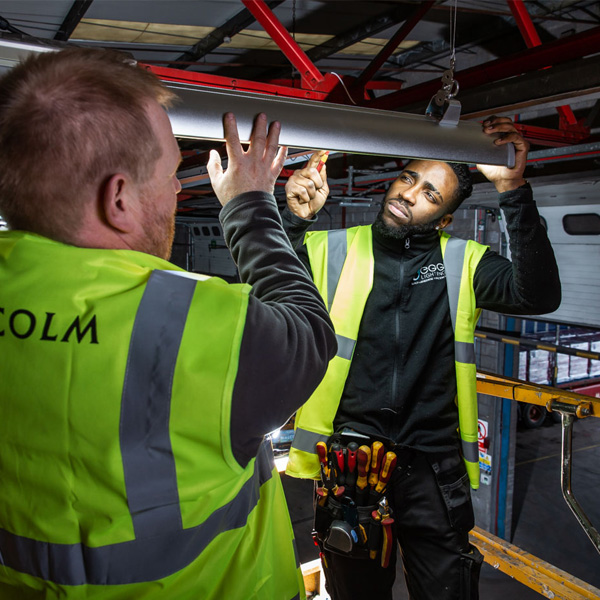
EGG Lighting
EGG Lighting produce sensor-led intelligent lighting solutions. Their first step towards a circular model was reducing energy consumption by helping clients move from fluorescent lighting to energy efficient LED Lighting and smart sensor technology. They found an opportunity to streamline things even further by helping to reduce waste.
5. Leasing
What is it
Leasing is a business model where a product is rented to a customer for a specified period, rather than being sold outright. It’s a key enabler of circular economy strategies because it allows companies to retain ownership of products, ensuring better control over their lifecycle, maintenance, and end-of-life recovery.
- Product-as-a-Service (PaaS)
Customers pay for the use or performance of a product, not ownership. - Extended Product Lifecycle
Products are maintained, repaired, and reused by the provider. - Ownership Retention
The company retains ownership, enabling take-back and recycling. - Predictable Revenue Stream
Leasing provides recurring income and long-term customer relationships. - Incentive for Durability
Since the provider bears maintenance costs, products are designed to last. - Flexibility for Customers
Customers can upgrade, switch, or return products easily.
Step 1: Identify Suitable Products
- Choose products with long lifespans, high value, and potential for reuse.
- Examples: electronics, furniture, appliances, vehicles, industrial equipment.
Step 2: Design for Leasing
- Ensure products are durable, repairable, and easy to refurbish.
- Include tracking features (e.g., RFID, QR codes) for asset management.
Step 3: Develop the Leasing Offer
- Define lease terms: duration, pricing, maintenance, upgrades.
- Decide on service levels: basic lease, full-service lease, or performance based.
Step 4: Set Up Infrastructure
- Create systems for logistics, maintenance, returns, and refurbishment.
- Train staff or partners to handle servicing and customer support.
Step 5: Legal and Financial Framework
- Draft leasing contracts with clear terms on usage, liability, and returns.
- Set up billing systems for recurring payments and asset depreciation.
Step 6: Launch and Educate
- Market the leasing model to customers, highlighting benefits (cost savings, flexibility, sustainability).
- Provide onboarding and support to ensure smooth adoption.
Step 7: Monitor and Optimise
- Track product usage, maintenance needs, and customer satisfaction.
- Use data to improve product design, pricing, and service offerings.
Step 8: End-of-Lease Strategy
- Offer options: renew lease, upgrade, buyout, or return.
- Refurbish returned products for reuse or recycle components responsibly.
ACS Clothing: They wear it well
A North Lanarkshire business is combining advanced technologies (including AI, automation, robotics, and nanotechnology) with circular economy principles to drive expansion and give new life to unwanted clothing.

6. Remanufacture
What is it
Remanufacturing is the process of restoring used products or components to like-new condition, often with upgraded features or performance. It goes beyond simple repair or refurbishment by meeting original specifications and quality standards. In the context of the circular economy, remanufacturing helps extend product lifecycles, reduce resource consumption, and minimise waste.
- Quality Equivalent to New
Remanufactured products meet or exceed original performance standards. - Systematic Process
Involves disassembly, cleaning, inspection, replacement of worn parts, reassembly, and testing. - Retention of Value
Preserves the embedded energy and materials from the original product. - Cost and Resource Efficiency
Typically cheaper and less resource-intensive than manufacturing from scratch. - Warranty and Certification
Often comes with warranties similar to new products, ensuring customer confidence. - Scalability
Suitable for industries with high-value components (e.g., automotive, aerospace, electronics, medical devices).
Step 1: Identify Suitable Products
- Choose products with high value, durable components, and predictable wear patterns.
- Ideal candidates include engines, electronics, machinery, and tools.
Step 2: Design for Remanufacture
- Use modular designs and standardised components.
- Avoid adhesives and complex assemblies that hinder disassembly.
Step 3: Establish Take-Back Systems
- Create reverse logistics to collect used products from customers.
- Offer incentives like trade-ins, discounts, or deposit schemes.
Step 4: Set Up Remanufacturing Facility
- Equip with tools for disassembly, cleaning, testing, and reassembly.
- Train staff in quality control and remanufacturing protocols.
Step 5: Develop Inspection and Sorting Criteria
- Assess returned products for remanufacturing potential.
- Sort into categories: re-manufacturable, repairable, recyclable, or waste.
Step 6: Standardise the Process
- Create Standard Operating Procedures (SOPs) for each stage: disassembly, cleaning, part replacement, reassembly, and testing.
- Use quality assurance systems to ensure consistency.
Step 7: Certify and Warranty Products
- Provide warranties and certifications to build trust and meet regulatory standards.
- Label remanufactured products clearly to distinguish from new or refurbished.
Step 8: Market the Remanufactured Products
- Highlight environmental and cost benefits.
- Target value-conscious and sustainability-minded customers.
Step 9: Monitor and Improve
- Track performance, customer feedback, and return rates.
- Use data to refine product design and remanufacturing processes.
J+S Subsea: You have to prove you're delivering value
Dyce-based engineering firm J+S Subsea may be 60 years old but its Legacy Locker initiative is trailblazing the refurbishment and resale of equipment to oil and gas operators. As the company’s leaders explain, it’s about changing hearts and minds.

7. Reuse
What is it
Reuse is the practice of using products, components, or materials again for the same or a different purpose, without significant processing. It’s one of the most direct and impactful strategies in the circular economy, helping to extend the life of resources, reduce waste, and lower environmental impact.
- Extended Product Lifespan
Items are kept in use longer, delaying disposal and reducing demand for new resources. - Minimal Processing
Unlike recycling, reuse doesn’t require breaking down materials—saving energy and cost. - Versatility
Products can be reused in their original form or repurposed creatively. - Economic and Social Value
Reuse can create jobs, support community initiatives, and offer affordable goods. - Infrastructure Support
Requires systems for collection, cleaning, redistribution, and resale. - Consumer Engagement
Encourages behavioural change and sustainable consumption habits.
Step 1: Identify Reusable Items
- Audit your operations or product lines to find items suitable for reuse.
- Common examples: packaging, containers, electronics, furniture, textiles.
Step 2: Design for Reuse
- Use durable materials and modular designs.
- Avoid single-use components and complex assemblies.
Step 3: Set Up Collection Systems
- Create take-back schemes, drop-off points, or reverse logistics.
- Partner with community organisations or reuse networks.
Step 4: Clean and Inspect
- Establish protocols for cleaning, sanitising, and quality checking.
- Ensure reused items meet safety and performance standards.
Step 5: Redistribute or Repurpose
- Resell, donate, or lease reused items.
- Explore creative repurposing (e.g., upcycling, DIY kits).
Step 6: Educate and Promote
- Raise awareness about the benefits of reuse.
- Provide guidance on how customers can return or reuse products.
Step 7: Track and Measure Impact
- Monitor reuse rates, cost savings, and environmental benefits.
- Use metrics like waste diverted, carbon saved, or items reused.
Step 8: Innovate and Scale
- Explore digital platforms for peer-to-peer reuse or sharing.
- Integrate reuse into your core business model or product offerings.
DF Concerts & Events: Turning up the volume on circularity
For the organisers of Glasgow’s TRNSMT Festival, circular thinking is critical to commercial growth. DF Concerts plans to eradicate single-use plastic (including water and soft drink bottles) from its events completely by 2030, providing unlimited water points for fans to refill their own reusable water bottle.

8. Repair
What is it
Repair is the process of fixing or restoring a product to working condition after it has been damaged or worn out. In the circular economy, repair plays a vital role by extending the life of products, reducing the need for new materials, and preventing waste. It empowers users and businesses to maintain value and functionality without discarding items prematurely.
- Life Extension
Keeps products in use longer, delaying disposal and replacement. - Cost Efficiency
Often cheaper than buying new, especially for high-value items. - Environmental Benefit
Reduces resource extraction, manufacturing emissions, and landfill waste. - Skill-Based
Requires technical knowledge, tools, and sometimes specialised parts. - Accessibility and Support
Easier when repair manuals, spare parts, and service networks are available. - Right to Repair Movement
Advocates for consumer access to tools, parts, and information to repair their own products.
Step 1: Identify Repairable Products
- Audit your product range or operations to find items commonly damaged or worn.
- Prioritise high-value, frequently used, or mission-critical items.
Step 2: Design for Repairability
- Use modular components and standard fasteners.
- Avoid glue, welded joints, or proprietary parts that hinder repair.
Step 3: Provide Repair Resources
- Offer manuals, tutorials, and diagnostic guides.
- Make spare parts available through online platforms or local partners.
Step 4: Establish Repair Services
- Set up in-house repair teams or partner with certified technicians.
- Offer repair as a service, either on-site or via mail-in options.
Step 5: Educate Users
- Train customers or staff on basic maintenance and repair.
- Promote repair culture through workshops, events, or incentives.
Step 6: Track Repairs and Feedback
- Monitor repair frequency, common issues, and customer satisfaction.
- Use data to improve product design and service quality.
Step 7: Integrate into Business Model
- Include repair options in warranties or service contracts.
- Offer repair subscriptions or loyalty programs.
Step 8: Promote and Celebrate Repair
- Share success stories and environmental impact metrics.
- Collaborate with repair cafés, makerspaces, or community initiatives.
Moray Waste Busters: It's all about "convenience and affordability"
A grassroots initiative encouraging Moray residents to donate unwanted possessions for resale has created a thriving circular enterprise. And the key to success for Moray Waste Busters is an unwavering business focus.

9. Sharing Economy
What is it
Sharing Economy refers to an economic model where individuals or organisations share access to goods, services, or resources, often facilitated by digital platforms. Instead of owning assets outright, users can borrow, rent, or co-use them—maximising utilisation and reducing waste. It’s a key enabler of the circular economy, promoting access over ownership.
- Access Over Ownership
Users pay for temporary access to products or services rather than buying them. - Platform-Based
Digital platforms connect providers with users (e.g. Airbnb, Uber, Fat Llama). - Peer-to-Peer or Business-to-Consumer
Sharing can happen between individuals or via companies offering shared services. - Idle Asset Utilisation
Underused assets (e.g. cars, tools, spaces) are monetised and used more efficiently. - Community and Trust
Reputation systems, reviews, and ratings build trust among users. - Environmental and Economic Benefits
Reduces resource consumption, lowers costs, and fosters local economies.
Step 1: Identify Shareable Assets
- Audit your organisation or community for underused resources:
- Vehicles, equipment, office space, tools, skills, or time.
Step 2: Define the Sharing Model
- Choose a model:
- Peer-to-peer (users share directly).
- Business-to-consumer (company owns and shares).
- Collaborative consumption (group ownership or co-use).
Step 3: Build or Join a Platform
- Develop a digital platform or app to manage listings, bookings, payments, and communication.
- Alternatively, join existing platforms that align with your goals.
Step 4: Set Rules and Policies
- Define terms of use, pricing, liability, insurance, and maintenance responsibilities.
- Include cancellation policies, damage protocols, and user verification.
Step 5: Promote and Educate
- Market the benefits of sharing: cost savings, sustainability, flexibility.
- Provide onboarding guides and support for new users.
Step 6: Foster Trust and Community
- Implement rating and review systems.
- Encourage respectful use and transparent communication.
Step 7: Monitor and Optimise
- Track usage patterns, customer feedback, and asset performance.
- Use data to improve availability, pricing, and user experience.
Step 8: Scale and Diversify
- Expand to new asset types or geographic areas.
- Partner with other organisations or communities to grow the network.
ReSet Scenery: Re-setting the scene in the creative industries
A not-for-profit enterprise in Glasgow is transforming the way that film, theatre and events companies manage their sets. As Simon Cook of ReSet Scenery demonstrates, reusing production materials makes financial as well as environmental sense.

Next steps
Now that you have some ideas on what circular strategies could be applied to your business, make some plans to investigate them properly.
Time
Set aside a block of time to look into your potential shift to circular business practices.
Resource
Allocate staff to investigate circular opportunities for your business.
Collaborate
Work with your team and other likeminded businesses to develop ideas and solutions to your challenges.
Speak out
Tell your suppliers and your customers your plans. They might just provide the insight you need.
Keep it real
Don’t try too many things at once. Pick one thing and then build on it.
Budget
Explore what level of investment might be required for your proposed changes.
Useful
View additional advice and information from Zero Waste Scotland and our partners.