J+S Subsea: You have to prove you're delivering value
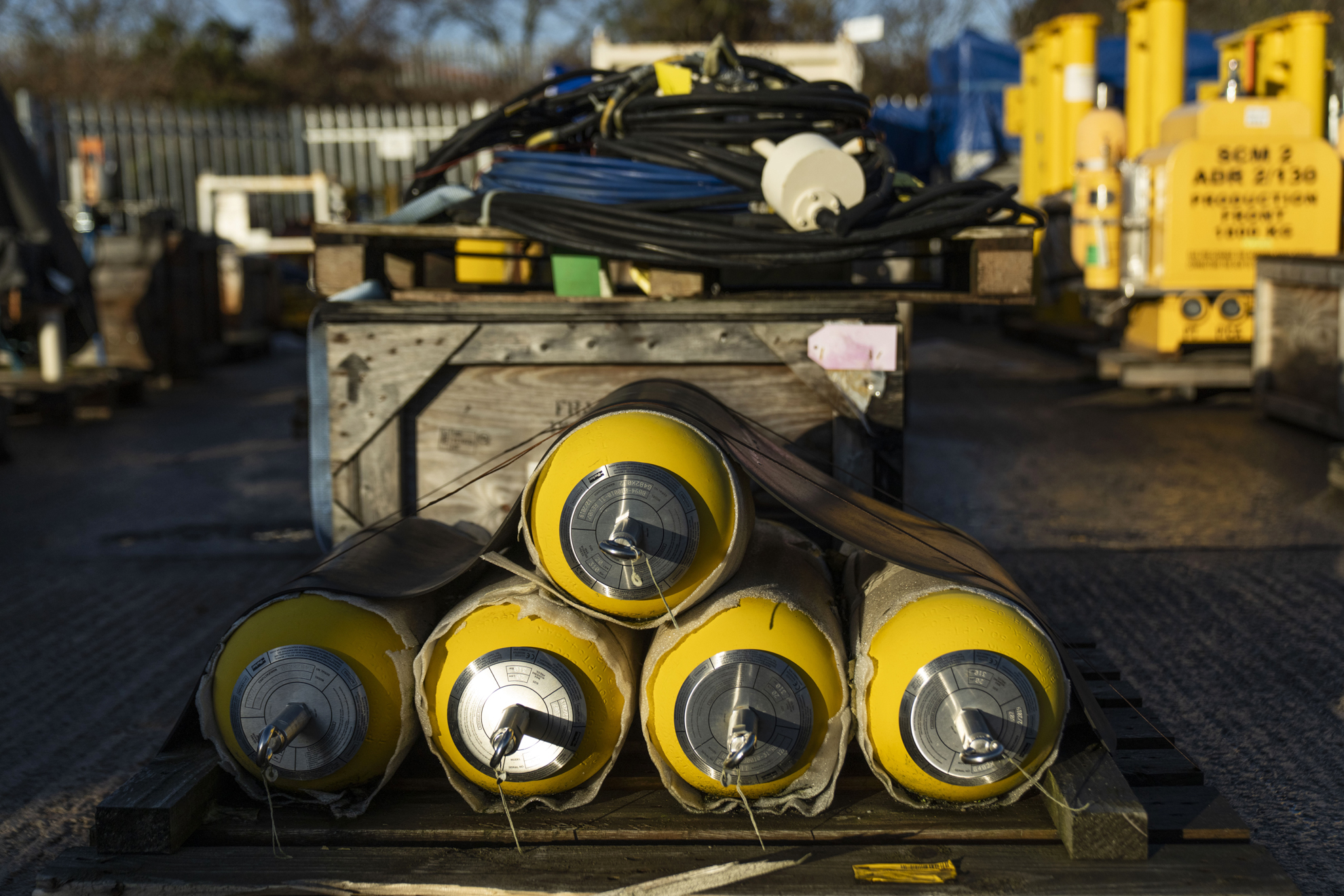
Dyce-based engineering firm J+S Subsea may be 60 years old but its Legacy Locker initiative is trailblazing the refurbishment and resale of equipment to oil and gas operators. As the company’s leaders explain, it’s about changing hearts and minds.
Engineering. Sustainability. Value.
“COP26 was a real turning point,” says Matt Blair, Non-Executive Director of J+S Subsea. “We saw the bigger oil companies starting to embrace the idea of reuse and remanufacture, instead of insisting everything had to be new. That change in mindset has opened the door for us to show that sustainable engineering can also be good business.”
But the oil and gas sector is no place for sustainability evangelists who can’t back their message up with a strong commercial proposition. And for Managing Director Phil Reid and his team at Dyce-based J+S Subsea, the refurbishment and resale of subsea equipment during or at the end of its operational life is not only good for the environment but a clear opportunity for business growth through delivering greater value and responsiveness to clients.
As well as its core expertise in designing and constructing new subsea equipment, there has long been a reuse element to the service that J+S Subsea offers clients. The difference now is that the company’s refurbished products are clearly marketed under the brand Legacy Locker.

Keeping our clients moving – and saving them time
“Refurbishing equipment often speeds up the process or even makes the process possible in the first place,” says Matt. “The savings for clients come from this combination of speed and availability. Sometimes they can’t wait a year for a new part from the manufacturer – but we can get them up and running in a matter of days. It’s about being responsive and keeping critical operations moving. And as we move toward Net Zero, the carbon savings from reuse add another layer of value.
“The idea came about during a downturn when the phone stopped ringing and we had to ask ourselves what made us different,” says Matt. “We were already remanufacturing and refurbishing equipment, so we decided to put it all under one clear banner, to bring focus and clarity to what we were doing. Our strength is the engineering and manufacturing expertise we bring. Most of the equipment we work with is bespoke, so there’s always some level of adaptation involved.”
“Refurbished equipment now accounts for a materially higher proportion of total sales, reflecting increased customer acceptance, stronger in-house refurbishment capability, and supply-chain constraints on new equipment,” adds Matt. “This increase has allowed us to grow, develop and invest in our management and processes to support our customers.”


Fresh investment and energy
Originally founded in 1956 as J+S Marine, the company steadily built its reputation as a supplier to oil and gas companies based out of Aberdeen. In the mid-2000s, the firm opened a satellite office in Dyce in order to break into the UK energy sector, mainly focusing on oil and gas but also renewables. Then, in 2014, it was acquired by the defence technology group Cohort plc and absorbed into its SEA subsidiary. However in 2020, Matt led a management buyout and restored the J+S Subsea name.
“We were a northern outpost of a defence company trying to move into oil and gas,” says Matt. “But over time, it became clear they weren’t interested in supporting what they regarded as quite a small operation, so we decided to take control of our own destiny. The new J+S Subsea has been going strong ever since, with fresh investment and energy.”

Energy resilience
The revitalised company’s approach to extending the life of equipment and reducing waste has since led to awards from Decom North Sea and Offshore Energies, and the recognition that its engineering solutions are contributing to UK energy resilience.
Managing Director Phil Reid believes the industry has little option but to adopt more sustainable practices – and J+S Subsea has demonstrated its commitment by recruiting a full-time Environmental and Sustainability Adviser, Kairvee Tyagi. As well as developing a carbon calculator for Legacy Locker (which clients can use for Scope 3 emissions reporting), Kairvee’s responsibilities include building J+S Subsea’s profile in sustainability within the industry, and navigating the complex, ever-shifting regulatory landscape.


Customer confidence is critical to growth
The business has also appointed a new Business Development Director, Ryan Gordon, to develop the way it presents Legacy Locker to the market. “We wanted to make Legacy Locker a separate brand because we felt it was unique,” he says. “It was something new to the industry, and we wanted to shout about it. We feel it’s really important to help companies reduce their carbon footprint and save them time and money. Customer confidence is critical. We have strict and defined refurbishment standards to make the buying decision commercially safe, not experimental. As a result, Legacy Locker is now often the first port of call for our customers.”
The firm’s Sustainable Supply Chain Manager, Matthew Martin, adds: “The value of Legacy Locker is coming into focus as we adapt to changes in the market with North Sea decommissioning and look to expand overseas. Many markets face similar challenges in terms of extending asset life and dealing with long lead-time items. If we can help with that, we can break into new areas.”
What advice can Matt Blair give to a business disrupting a traditional industry with a circular product?
“There’s an old phrase that ‘nobody ever got fired for buying from IBM’. It’s always going to be difficult to change the habits of buyers if you’re doing something new in an established market. It’s taken several years to build acceptance for what we’re doing with Legacy Locker. Winning hearts and minds is part of the journey – you have to prove you’re delivering value.”