IndiNature: how a circular business model has delivered strong financial returns
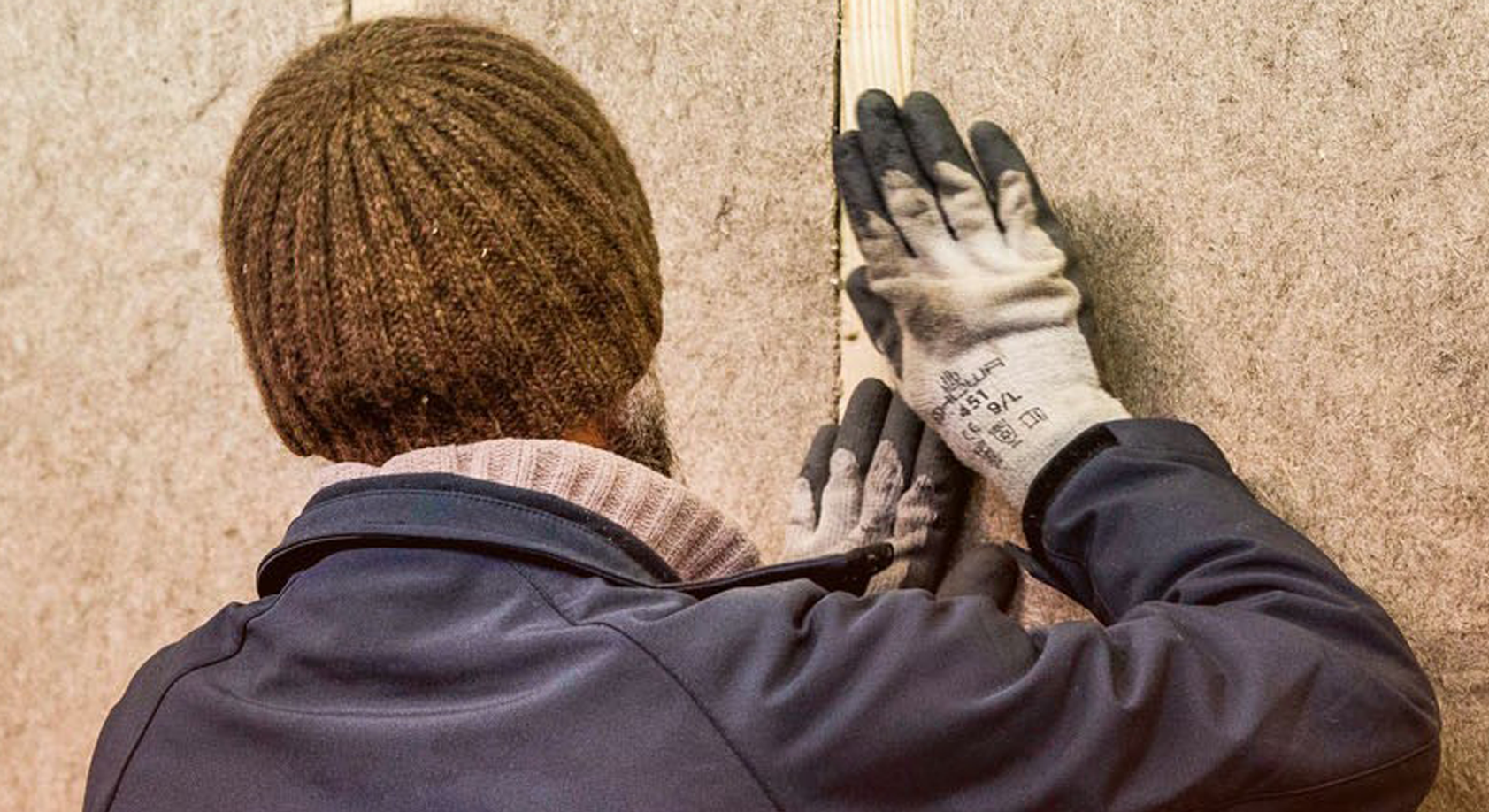
Based in the south of Scotland, IndiNature manufactures natural fibre insulation from UK-grown industrial hemp, supplying customers across the construction sector. Their approach to circular manufacturing has delivered strong commercial benefits for the business.
Innovation. Growth. Impact.
Unlike conventional insulation that often relies on imported petrochemicals or energy-intensive mineral processes, IndiNature’s products are created through a circular manufacturing model that keeps value in the domestic economy. This approach has laid the groundwork for strong commercial growth, increasing resilience, and new opportunities across the construction sector.
Over the last few years, IndiNature has progressed from research and development into full-scale production. Their insulation range, including IndiTherm and IndiBreathe Flex, now serves both retrofit and new build markets. Achieving British Board of Agrément certification and ISO accreditation has been central to this growth. These credentials have increased confidence among specifiers and contractors, enabling IndiNature to access major construction projects and publicly funded retrofit programmes. As a result, the business has seen sustained month-on-month sales growth and rising demand across the industry.

Building resilience into the process
Economic resilience is built into IndiNature’s model. By sourcing hemp from farms in the Scottish Borders and Yorkshire, the company has reduced exposure to global supply chain risks and the volatility in fossil fuel prices that affects many conventional insulation materials.
Local sourcing supports predictable pricing, smoother planning and greater supply security for both IndiNature and its customers. It also provides stable, diversified income streams for rural farming communities through long term contracts.

Creating new revenue streams
The company has expanded its product range to strengthen its commercial offering. IndiBoard, a semi rigid insulation board for solid wall applications, has opened new market opportunities.
Investment in a needle punch nonwoven line has enabled further diversification into packaging, acoustic products, furnishings, agriculture and forestry. These developments spread risk, create new revenue streams and reduce reliance on any single area of the built environment. As the business has scaled, IndiNature’s workforce has grown to 30 employees, supporting skilled green jobs in the Scottish Borders across manufacturing, logistics, technical engagement and sales.
To build confidence in its products, the company has invested heavily in certification, testing and hands on collaboration with installers, housing providers and specifiers. This consistent engagement has been essential in establishing market trust.

Circular manufacturing delivering economic benefits
IndiNature’s circular manufacturing model also reduces waste. The factory operates as a closed loop, with production offcuts recycled back into new materials. Local sourcing allows tighter quality control and reduced transport impacts. The performance of their natural fibre insulation can also support lower operational energy costs for customers over time. In funded schemes, pricing can be brought in line with conventional options, offering a cost competitive and high performing alternative.
The economic impact of the company’s circular model is increasingly clear. IndiNature reports sustained month-on-month sales growth, ongoing expansion of production capacity, increased participation in UK hemp farming and a growing team. Their approach demonstrates that circular manufacturing can compete at scale, strengthening domestic supply chains and reducing economic exposure to global shocks.
Adopting circularity has also improved IndiNature’s competitiveness. Independent certification, transparent performance data and alignment with policy priorities mean the company is increasingly being selected for projects where embodied carbon, indoor air quality and ESG considerations influence procurement decisions. These trends are becoming normal across the built environment, placing IndiNature in a strong position as the market continues to shift.
For businesses considering circularity, IndiNature’s advice is to take a long-term view.
Circular innovation takes persistence and clarity of purpose, supported by consistent engagement with installers, customers and specifiers. Their experience shows that circularity can generate economic value, support skilled jobs and build more resilient supply chains. It is a commercially practical approach that rewards businesses prepared to innovate and collaborate.
IndiNature continues to show that circular manufacturing is not niche. Through regenerative farming partnerships, zero waste production and ongoing product development, the company is delivering scalable, locally rooted solutions that support economic resilience across Scotland’s construction sector.