Rethinking 'Inevitable' Waste Through Product Stewardship
Some products are so familiar that we rarely stop to think about what happens to them after we've finished using them.
Things like mattresses, tyres, nappies and hygiene products are often seen as difficult to reuse, recycle or recover, so they end up being treated as unavoidable waste, with vital materials being thrown away earlier than needed to be.
Processing of these items is possible but harder within current business models. Yet, there’s a clear potential for circularity if we can be more innovative with how we design, consume and collect these vital resources.
Our research reports explore where current systems are falling short, where opportunities for innovation exist. They also help us understand which products are having the greatest impact and where action could make the biggest difference.
We’ve made the bed, lets now lie in it
Mattresses are a perfect example of how current systems struggle. Our research has shown that currently Scotland disposes of far more mattresses than it sells each year with less than 15% being recycled or reused. It is clear to understand why this is, firstly mattresses are bulky to collect and store, leading to it being a common fly-tipping item. Secondly, there is great variation in design with many made up of mixed materials like steel, foam, textiles, and glues, making them difficult to take apart and recycle. Additionally, because of the personal nature of the product many have a strong reluctance to the concept of reprocessed or reconditioned mattresses.
There is another way though, reuse organisations have shown that up to 86% of mattresses could be reused with proper cleaning and sorting. Recycling from home, hotel and healthcare markets could also recover substantial economic value. Other countries are already doing this far more effectively, often being supported by producer responsibility schemes. Similarly to the energy sector, this industry requires clearer and incentivising legislation and more aligned design and end of life processing to ensure easier recapturing of materials. (Source: Product Stewardship for Mattresses in Scotland, due to be published October 2026)
Kicking the tyres on circularity
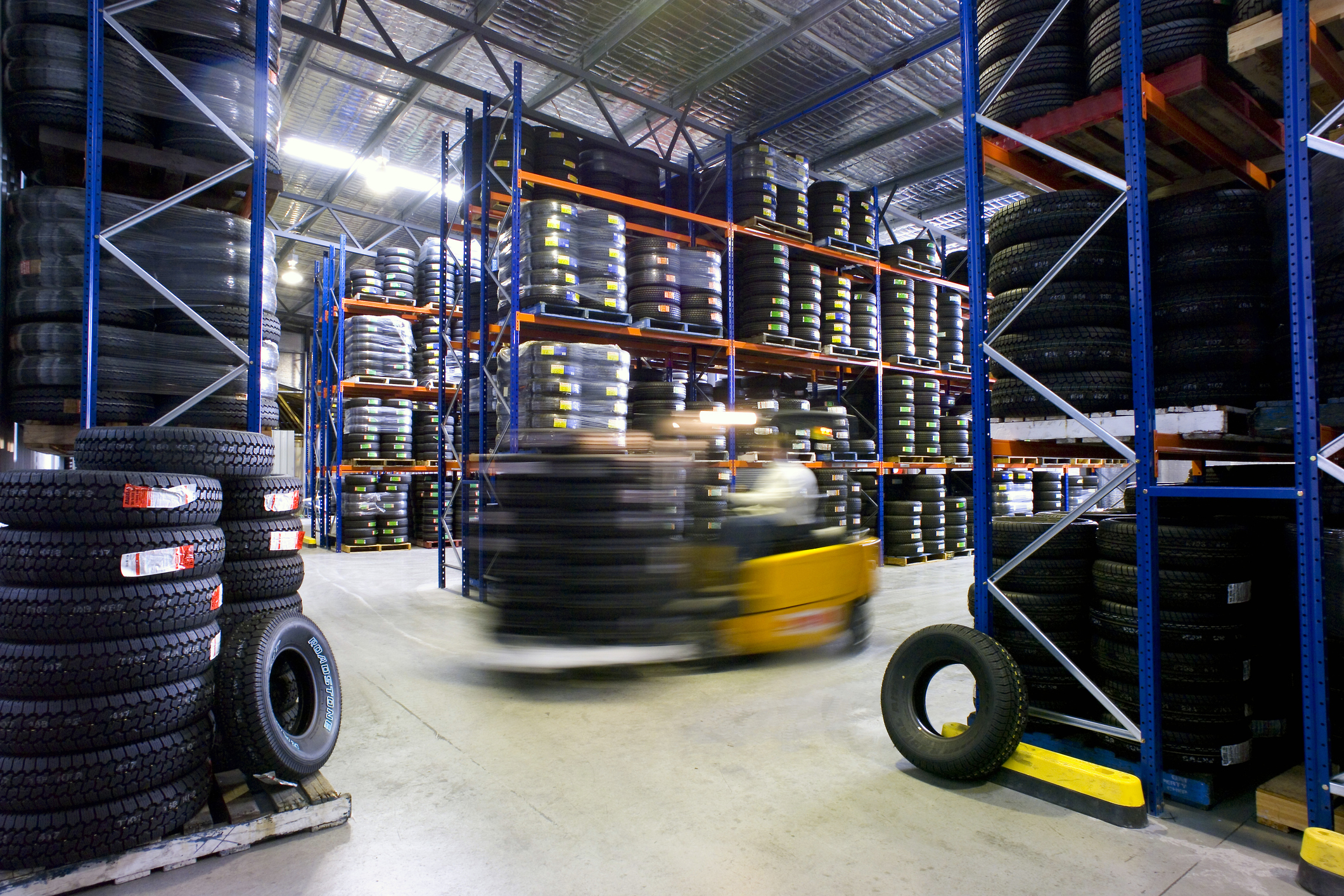
Tyres are a similar situation with a far shorter lifecycle and a considerable safety aspect. Tyres have a seemingly low value at end of life, with disposal still viewed as the easiest management solution. However, our research outlines a sizable opportunity in extending the life of tyres, particularly through retreading which can allow tyres to be used safely multiple times. Once again, securing ready access to in demand materials while reducing costs and environmental impacts.
Washing your hands of waste
Beauty and hygiene products are also key contributors to waste - especially packaging waste - with fast moving trends and single-use sanitary requirements driving overproduction. For beauty and cosmetic products specifically, damage and quality derogation during transport/storage, ever-growing product lines cause and fluctuating demand makes forecasting incredibly challenging. This all results in over production which leaves eyewatering levels of unsold products when demand shrinks.
Absorbent hygiene products (AHPs), such as nappies, period products, and wet wipes, are a particularly complex part of the problem. In one hand, these products are essential for supporting health, dignity and are essential aspect of everyday life for many, so cannot simply be replaced. On the other hand, these are designed to be entirely single-use items, often with a use time of mere seconds before contributing to the approximately 4% of household waste in Scotland.
The soiled nature of these products leads many to assume that recycling isn’t possible, yet the packaging and combined materials of the products could be salvaged. For instance, sanitary pads are made of up to 90% plastic, tampons up to 6%, and nappies around 61%. When you consider the average person will dispose of an estimated 11,000 sanitary products in their lifetime, we can see the levels of material loss. Once again, the barrier remains the innovation to recover the materials, an innovation which could give rise to lucrative emerging markets. (Source: Absorbent Hygiene Products: Product Assessment Report, due to be published October 2026)
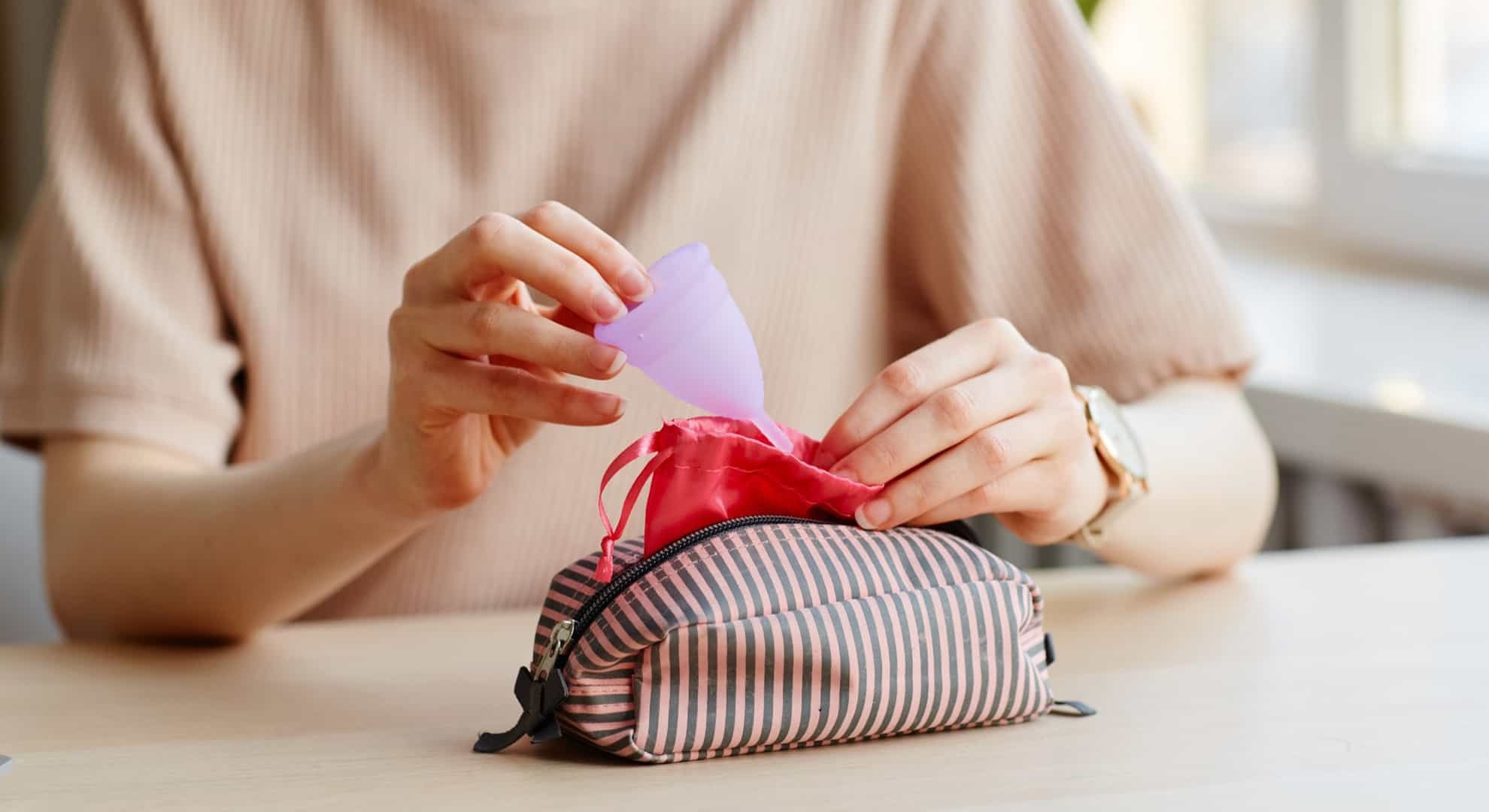
While there are still audiences which require these products for many there are reusable and financially advantageous options that can be explored. For example, cloth nappies, menstrual cups, or period pants not only significantly reduce environmental impacts but provide individuals with financial savings overtime. Through greater awareness, improved product design and incentivised recycling systems we can shift disposal as being the default behaviour.
Where do we start?
Once we have better visibility of the scale and impact of the problem, we will be better able to examine multiple influencing factors (environmental, environmental and social impacts) together.
In support of this, Zero Waste Scotland commissioned the development of a multi-criteria analysis (MCA) methodas one proposed way to acknowledge where impacts are highest and make hidden losses more visible. This would also give businesses greater confidence in decisions around forecasting and inventory management to help reduce surplus and align production with real demand.
This is just one solution which needs to be explored more but is an example of the innovation this area of work could benefit from.

Upcoming and recently published product assessment reports
Tyre Market Analysis 2022-23 Update
Looks at how tyres move through Scotland's economy and highlights opportunities to reduce waste, extend product life and improve the management of end-of-life tyres through initiatives such as retreading.
Product Stewardship Multi-Criteria Assessment: Methodology
Introduces a practical tool for identifying which products have the biggest environmental, social and economic impacts, helping inform where future action could make the greatest difference.
Read 'Product Stewardship Multi-Criteria Assessment: Methodology'
Product Stewardship for Mattresses in Scotland
Coming Soon!
Explores how more mattresses can be reused, repaired and recycled, helping recover valuable materials that are often lost through disposal.
Absorbent Hygiene Products: Product Assessment Report
Coming Soon!
Examines products such as nappies, period products and wet wipes, and explores how better design, reuse and recycling could help reduce their environmental impact and make their collection easier.
- Guidance
- Article

- Report
- Evidence & Insights


- Article