
Circular Economy for Business
Circularity means smarter business. Discover cost savings, drive innovation, and build a sustainable future by embracing circular economy practices.
With more than ten years of supporting businesses move towards circular ways of working, we've seen the benefits first-hand. Are you ready to get started?
In summary
A circular economy helps businesses keep products and materials in use for longer, creating value and reducing waste. This page explains how circular practices can drive innovation, improve efficiency and support business growth.
What this means for you
Adopting circular approaches can help your business reduce costs, improve resilience, unlock new revenue opportunities and strengthen sustainability credentials.
What to do next
- Explore how circular principles could apply to your products, services or operations.
- Identify opportunities to reduce waste and make better use of resources.
- Learn from research, case studies and practical examples of circular businesses.
What does a circular economy mean in practical terms for businesses?
Think of circularity as getting the most value from what you already have. Instead of the usual “take, make, dispose” approach, you design and manage products, components and materials so they stay in use for longer.
You can already see circularity in action in familiar places. Car mechanics keep vehicles running longer by repairing and replacing individual parts rather than scrapping whole cars. Plant and vehicle hire companies get maximum value from their fleets by maintaining equipment, keeping it in circulation and passing it on for reuse. Even everyday services like IT refurbishment, tool hire or furniture repair show how businesses routinely extend the life of what they own.
In practice that means choosing durable, repairable options, planning for refurbishment or remanufacture, and knowing what everything is made of. Good information is the foundation. Simple inventories, digital records or product passports help you see what you own, where it is and what you can do with it next. Our research below shows that as well as being good for the environment, these changes can deliver commercial benefits for individual businesses and broader economic benefits too.
Findings from our research
As Scotland’s circular economy public body, we are committed to building the evidence that shows how the circular economy can help businesses thrive. Our research shows that many organisations are already seeing clear commercial benefits from adopting circular practices.
Circular Jobs Tracker Report
The circular economy contributed £4 Billion to Scottish GDP in 2021.
Circularity Gap Report
Circular strategies can help cut costs, reduce material reliance, and limit price risks.
Circular Economy Engagement Among Scottish Businesses Report
An insight into businesses’ understanding of circularity.
Frequently Asked Questions
Whether you’re just starting out or looking to refine your approach, you’ll find practical answers to help implement circular practices, cut costs, and build resilience.
If you are short on time, what are some quick wins?
Start by measuring what you have. A basic stocktake can reveal assets and materials that are underused or ready to be reused. Create simple lists, label items and note condition. Ask suppliers for parts that are repairable or recyclable. Look locally for practical reuse options too. Many businesses save money by repurposing materials rather than sending them to landfill.
What are the biggest economic benefits of adopting circular practices?
Circularity reduces costs and opens new income. You buy fewer virgin materials, you avoid disposal fees and you can resell, refurbish or remanufacture valuable items instead of writing them off. It also makes operations more resilient. Local repair and reuse often get you back up and running faster than waiting for new parts to arrive from abroad. Across many sectors, businesses are finding that well managed circular practices improve margin, reduce risk and create new revenue streams.
Are there common misconceptions about circularity?
Yes. A frequent myth is that circularity always costs more. In reality, many actions pay back over time, especially where waste or downtime are high. Another misconception is that circularity is only about the environment. It certainly helps with carbon and waste, but the commercial wins are just as important. Some people also think circularity is complicated. It does not have to be. Starting with simple asset mapping and better stock control can bring immediate benefits.
What are the main challenges and how can they be overcome?
The most common challenge is a lack of data on materials and product lifecycles. If you do not know what you have, it is hard to make good decisions. Begin with practical tools such as a basic asset register, condition checks and simple rules for end of life. Plan early for reuse and refurbishment rather than waiting for a project or asset to finish. Collaboration helps too. Share information with suppliers and customers so materials move more smoothly through the system.
How can smaller businesses overcome barriers such as cost or lack of expertise?
Keep it simple and start small. Focus on low-cost actions like cataloguing assets, improving ordering and tackling obvious waste in collaboration with staff. Use free guidance and case studies to build a business case that suits your context. Partner with others where it makes sense. Sharing services for repair, refurbishment or logistics can cut costs and remove complexity.
What is the one piece of advice for businesses starting their circular journey?
Begin with your data. Know what you have, what it is made of and where it can go next. Once you have that picture, the opportunities for saving money, reducing waste and improving resilience become much clearer. Circularity is not just good for the planet. It is a practical way to run a stronger, leaner business.
How we have supported businesses across Scotland
Zero Waste Scotland’s credentials for the provision of circular business support include experience delivering the Circular Economy Investment Fund and the Circular Economy Business Support service, the organisation’s two flagship business support initiatives which ran between 2016 and 2021.
Circular Economy Investment Fund
- £12million invested in more than 60 innovative circular Scottish enterprises.
- Over 70 jobs created.
- Reduced carbon emissions by an amount equivalent to taking 40,000 cars off the road for a year.
Circular Economy Business Support service
Zero Waste Scotland has helped more than 200 companies make improvements by introducing circular strategies such as circular design, resource recovery, and waste management – all critical to the circular economy.

Case Studies
Circular economy in action
Across Scotland, businesses of all sizes are experiencing the rewards of circular economy practices.
Celtic Renewables
Our experience working with businesses adopting circular practices suggests that adopting these practices can attract green investors, grants, and innovation funding.
Celtic Renewables has secured £75million in private and public funding since it was formed in 2012 from a range of sources, including Scottish Enterprise and private investors.


Potr
Our experience working with businesses adopting circular practices suggests that adopting circular practices can create market differentiation for your business, such as strong brand values, sustainability credentials, and wider recognitions which can be attractive to customers and investors.
Potr secured a $1million investment into its business of selling flatpack plastic vases made from recycled plastic. By shipping them to customers globally in a smaller form (flatpack) they’re able to ship significantly more pots on a vessel compared to normal vases, offering them significant advantages over their rivals which was recognised by investors.
ACS Clothing
Our experience working with businesses adopting circular practices suggests that circular economy practices can reduce operational cost through resource efficiency, waste minimisation, and localised supply chains.
ACS Clothing offer a clothing rental service which maximises the value of their stock. It’s not about the one-off hit of a sale - it’s about the revenue generated over the lifetime of an item. The garment becomes an asset rather than a product. As more data is gathered through tools like Digital Product Passports, they gain a deeper understanding of each item’s lifespan and residual value. And as volumes increase, costs come down.


Moray Waste Busters
Our experience working with businesses adopting circular practices suggests that reuse focused models open new ways to create value and generate income by keeping products in use for longer.
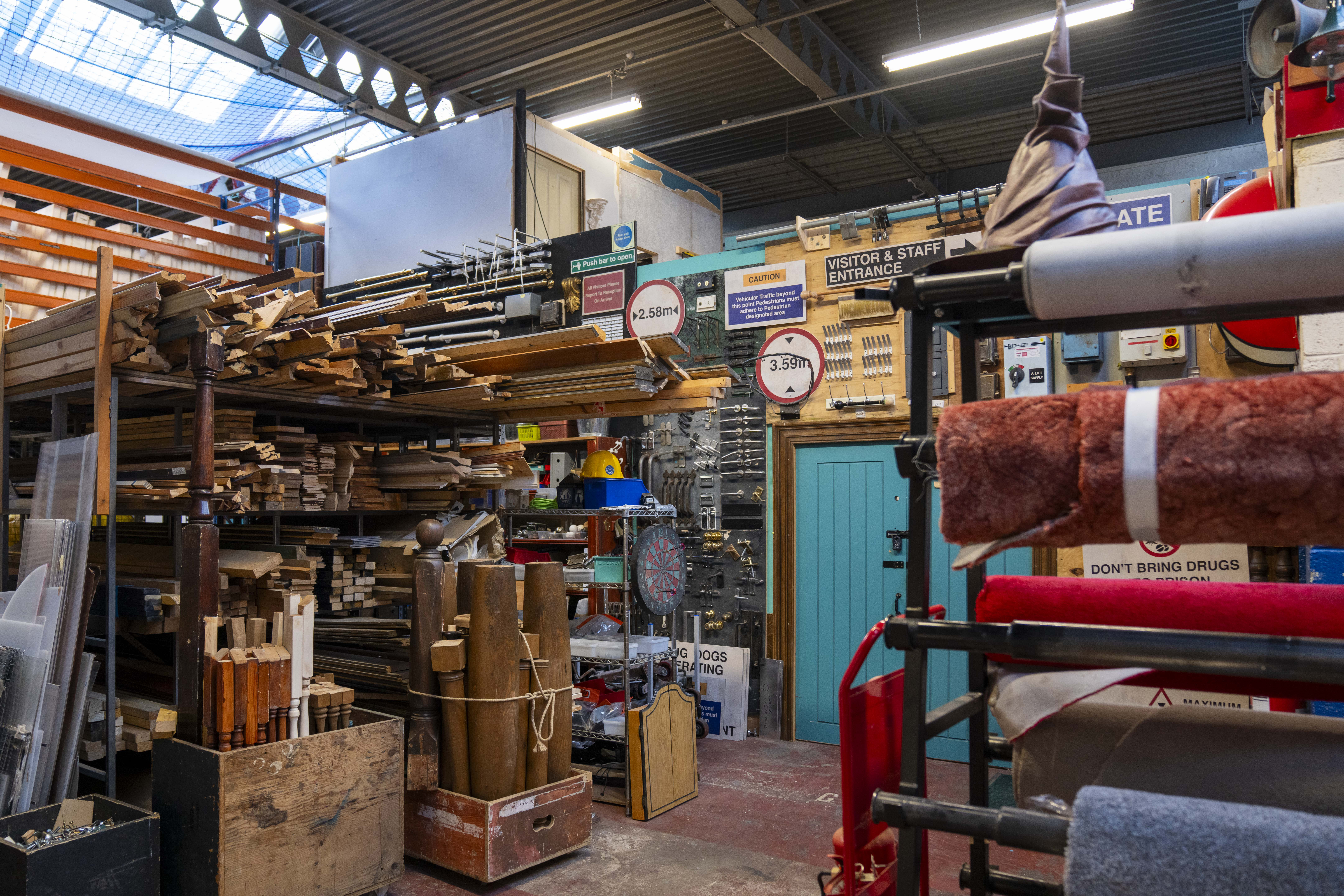
Moray Waste Busters, a grassroots initiative encouraging Moray residents to donate unwanted possessions for resale, has created a thriving circular enterprise. And the key to success for Moray Waste Busters is an unwavering business focus.
More case studies



- Case study


Circular places – a place based approach
As part of Zero Waste Scotland’s ambition for Scotland to embrace a circular economy we are exploring opportunities, engaging and supporting at a local level. This approach, in addition to supporting key sectors, will allow us to encourage responsible production where we 'make, use, remake' as opposed to 'make, use, dispose'.