The role of training and green champions in reducing food waste
Food waste is an issue for all of Scotland's food and drink businesses. It doesn't matter whether you run a hotel kitchen, a food manufacturing plant, a retail outlet or a wholesaler, the challenge is the same.
Over one million tonnes of food and drink was wasted in Scotland in 2021, the most recent baseline year. Households accounted for 59% of this waste, while 27% was generated from food and drink manufacturing, and the remaining 14% spread across retail, hospitality, food service and the public sector [Source].
Zero Waste Scotland separately estimates that the equivalent of 106 million meals is thrown away by Scotland's hospitality and food service businesses every year, one in every six meals served.
Scotland has committed to working towards the UN's SDG 12.3 goal of halving food waste by 2030. Getting there means every part of the food and drink supply chain has to play its part, and Zero Waste Scotland is clear that all food and drink businesses need to act now to prevent food waste occurring and realise reduction across their supply chain.
Behind those figures sits a simple truth. Food waste isn't a technology problem or a bins problem. It's a people problem, and that's exactly why training and staff engagement are key.
Why training is the lever that moves the needle
You can install the best monitoring system in the world, but if the people on the ground don't understand why food waste matters, or don't feel any ownership over reducing it, very little changes. When Zero Waste Scotland has supported businesses, staff training has been vital to their success:
- Raising awareness of the impact of food waste (environmental and financial)
- Understanding of waste segregation
- Understanding where food waste occurs
- How to measure and monitor food waste
- How to communicate with customers and suppliers about food waste goals
- How small changes can make a big difference
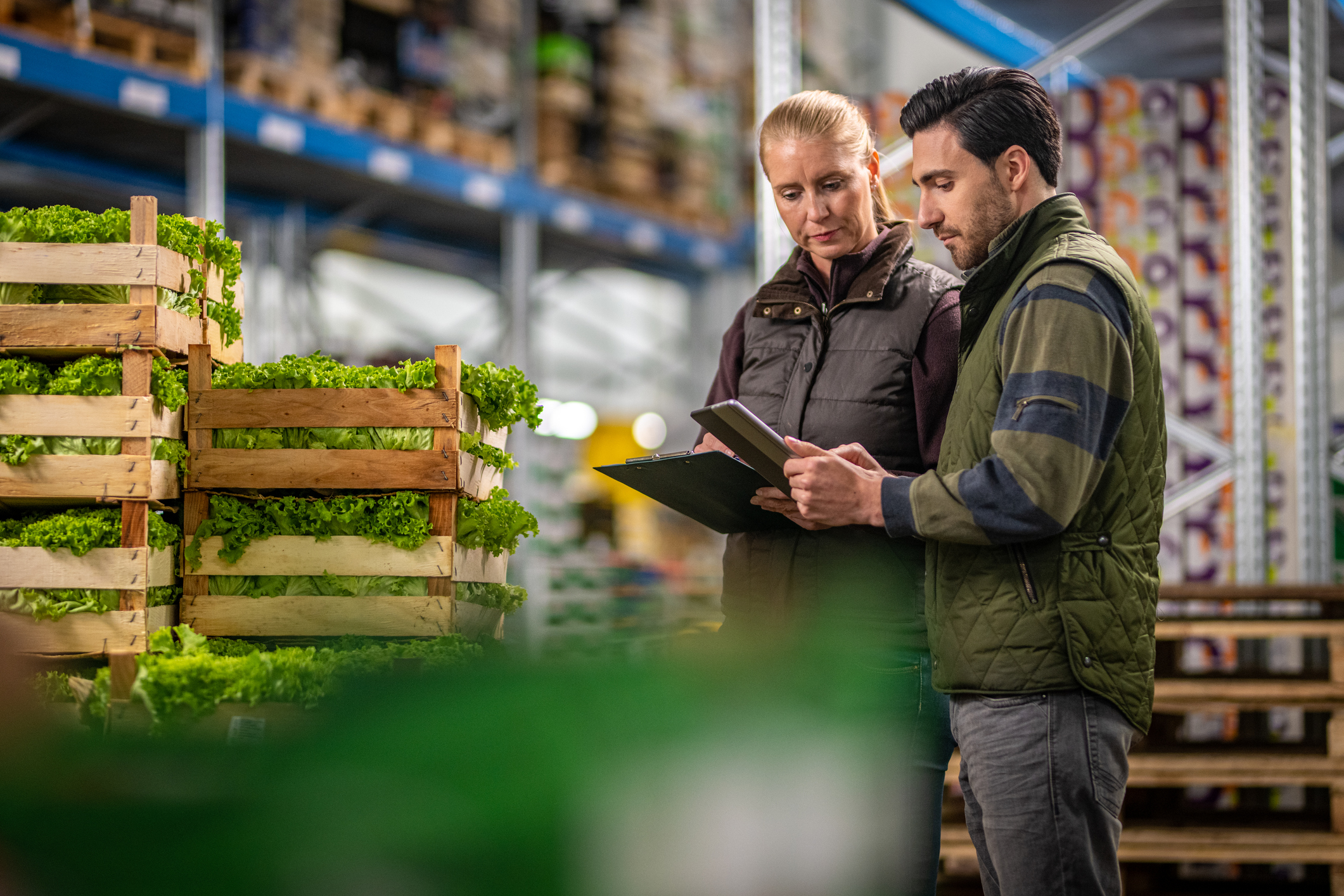
It's worth remembering that training doesn't look the same for every role. Front of house teams need the confidence to communicate portion sizes and menu options clearly to customers. Kitchen and production teams need practical skills around portion control, storage and repurposing ingredients. Mentoring newer staff matters too, since it's often through hands-on guidance from more experienced colleagues that people build the judgement to spot and prevent waste before it happens, rather than just following a rulebook.
Organisations are encouraged to communicate their sustainability goals clearly, make sure senior leadership visibly supports any initiative, and create green champions, with training available to support interested colleagues to take on the role. Cultural shifts like this cost nothing to start, but they build into real, lasting change.
Ambassadors for change
Training gives people the knowledge. A Green Champion, or a wider Green Team, is what keeps that momentum when the training session is over.
A Green Champion becomes the visible, accountable presence that keeps waste reduction active day to day. That might mean reinforcing training on shift, putting up reminders and signage, gathering feedback from colleagues, or feeding ideas for improvement back into the business. A Green Team spreads that responsibility further still, drawing in people from different parts of the operation so that waste reduction isn't seen as one person's job, or one department's problem, but something everyone has a stake in.
From a leadership perspective, recruiting Green Champions or Green Team gives you a food waste reduction feedback loop, a single point of contact who can take initiatives forward, suggest interventions, and report on impact and success. Empower and support your Champions to drive change, give them access to all teams and management functions to ensure all are kept up to speed with new, waste reduction operations.
Zero Waste Scotland backs all of this up with practical, all sector tools that a newly appointed Green Champion or Green Team can put to use straight away. The ‘One-Month Food Waste Challenge’ offers organisations across Scotland's food and drink sector a simple four step guide to get started. This resource helps businesses understand exactly where their waste is occurring, targeting waste hotspots and begin reducing.
Further reading
Find inspiration from businesses tackling food waste.