Manufacturing
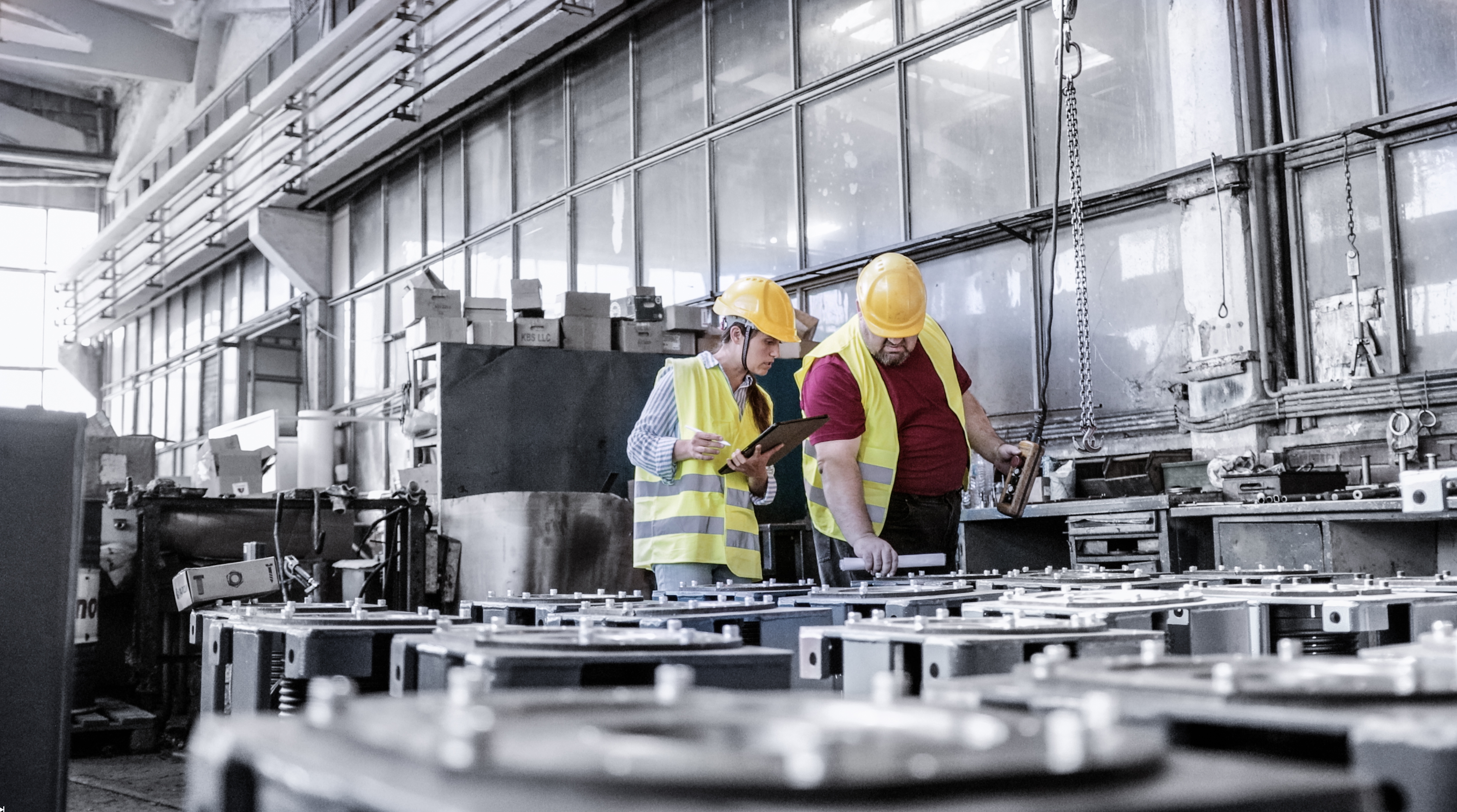
Manufacturing is the process of transforming raw materials into finished goods through various processes while maintaining economic, environmental, and social sustainability.
Scotland’s manufacturing spans from heritage sectors like whisky, textiles, and timber to advanced industries including satellites, aquaculture, life sciences, and heat pumps.
In summary
Circular economy principles can help manufacturing businesses reduce waste, improve resource efficiency and create long-term value. This page highlights practical approaches, opportunities and support available to help manufacturers become more circular.
What this means for you
Adopting circular manufacturing practices can help your business reduce costs, drive innovation, improve competitiveness and make better use of materials and resources.
What to do next
- Explore circular design, production and remanufacturing opportunities.
- Identify ways to improve resource efficiency and reduce waste.
- Access tools, guidance and support tailored to manufacturing businesses.
Key facts: Manufacturing in Scotland
Gross Value Added (GVA) to Scotland's economy in 2023:
Percentage of Scotland's international exports:
Percentage of manufacturing businesses engaged in innovative activities in past three years:
Learn more about the Scottish Government’s long-term vision and strategy for manufacturing
Manufacturing a circular economy
The circular economy offers a sustainable alternative to the traditional linear model of "take, make, waste". If you're involved in manufacturing in Scotland, especially in a leadership or strategic role, now is the time to:
- Explore circular design and production models to reduce waste and increase product lifecycle.
- Engage with government and industry bodies for support and collaboration.
- Invest in innovation and workforce development to stay competitive in high-growth sectors.
- Consider remanufacturing and resource efficiency as pathways to profitability and sustainability.
How to apply circular economy principles in manufacturing
Design for Longevity & Reuse: Create products that last longer, are easy to repair, upgrade, or reuse. Use modular design and standardised components to simplify disassembly and remanufacturing.
Use Renewable & Recycled Materials: Prioritise bio-based, recycled, or sustainably sourced materials, and reduce reliance on virgin resources.
Optimise Resource Efficiency: Reduce energy, water, and material use by implementing lean manufacturing and closed-loop systems.
Offer Products as a Service: Move from selling products to providing services such as leasing or maintenance, keeping responsibility for the product lifecycle.
Implement Reverse Logistics: Collect used products for refurbishment, remanufacturing, or recycling to recover valuable materials and components.
Leverage Digital Technologies: Use internet of things (IoT), artificial intelligence (AI), and blockchain to track materials, monitor product health, and optimise resource flows. Reduce downtime and waste with digital twins and predictive maintenance.
Circular opportunities being explored in Scotland

Remanufacturing
Restoring used products and components to like‑new condition offers significant opportunities for job creation, cost savings and revenue growth.

Construction Materials Reuse
Circular practices are becoming more common in construction, with increasing focus on reusing materials, salvaging components and keeping valuable products in use for longer.

Food & Bioeconomy
These sectors include food production, food and drink manufacturing, packaging, and bioprocessing. All are high‑impact areas where circular innovation can reduce waste and create new value from biological materials.

Critical Raw Materials
Focus on reducing dependency on virgin critical materials, such as rare metals and minerals, and improving their recovery from waste streams.
Tools and resources
Access practical guidance, toolkits, and support to help your business implement circular economy principles.
Circular Glasgow ACTS Toolkit
The Circular Glasgow ACTS Toolkit tackles the unique challenges SMEs face when adopting more sustainable practices.
Scottish Enterprise Net Zero Accelerator Tool
The Scottish Enterprise Net Zero Accelerator Tool can help your organisation to create a roadmap to reducing its harmful emissions to net zero.
Support from external organisations
Connect with organisations that provide expertise, training, and research in circular manufacturing.
National Manufacturing Institute Scotland
The National Manufacturing Institute Scotland helps manufacturers of all sizes, and from all sectors, seize the opportunity to realise their net-zero ambitions by making it easier to develop and embrace new technologies while de-risking innovation, and supporting them in their efforts to transition to a low carbon economy.
Scottish Institute for Remanufacturing
The Scottish Institute for Remanufacturing supports the remanufacturing community in Scotland and beyond, by providing collaborative links between academia and industry, supporting funding opportunities, through education and training, and providing a central hub of knowledge and expertise to allow business to develop and sustain remanufacturing business models.
Explore more



- Report
- Evidence & Insights


- Article